Published on 19.10.2025 https://www.sundaytimes.lk/251019/news/young-enthusiasts-portray-wildlife-stories-respectfully-ethically-616477.html

For years, the Young Zoologists’ Association (YZA) of Sri Lanka has been a quiet but powerful force nurturing the country’s next generation of naturalists. Each year, its members bring the wonders of the wild into the heart of Colombo through two special exhibitions—Young Eye on Nature and Kin Wild.
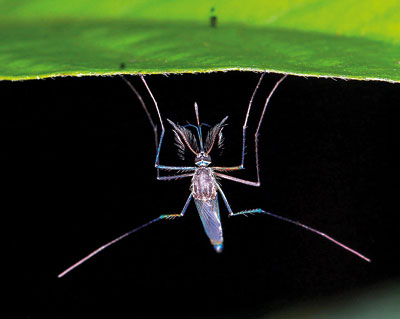
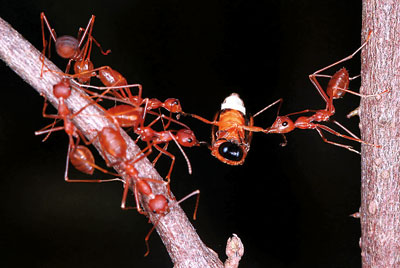
Now marking around 25 years of the Young Eye on Nature photography exhibition and 20 years of the Kin Wild wildlife arts exhibition have become proud traditions in the YZA calendar. They celebrate not only creativity but also curiosity—showing how young people view, study, and express the beauty of wildlife through photography and art.YZA’s young photographers are taught to observe before they clickCultivating artistic link with nature and right, young nature lovers at workThe Basilisk: A photograph on display

In an age where wildlife photography is booming across Sri Lanka, these exhibitions stand out for their strong focus on ethics and education. “It’s not just about capturing a rare animal or a perfect shot; it’s about understanding the subject, respecting its space, and telling its story responsibly,” says the YZA president, Shoshitha Liyanage.
That message is especially relevant today, when social media has made wildlife photography more accessible—but also more vulnerable to unethical practices. YZA’s young photographers are taught to observe before they click, ensuring that their work inspires appreciation, not disturbance.
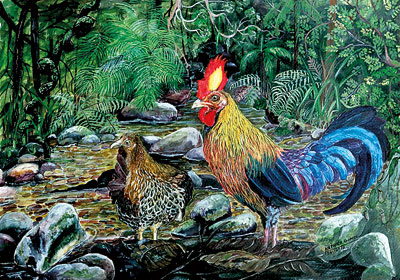
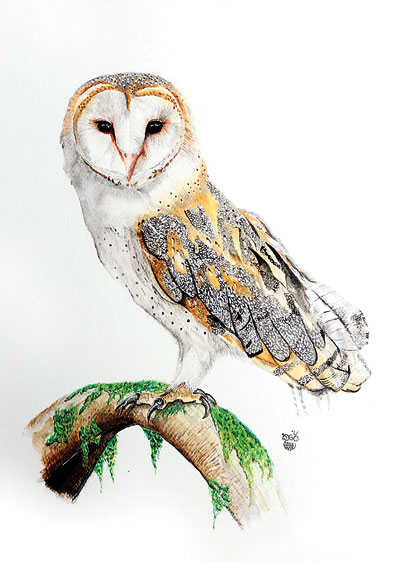
Kin Wild, the companion art exhibition, nurtures another rare talent—to portray wildlife on canvas. At a time when drawing and painting animals is becoming less common, YZA remains one of the few institutions, or probably the only one, that cultivates this artistic link with nature. Each sketch or painting reflects patient observation and deep empathy, reminding visitors that science and art can beautifully coexist.
For many participants, these exhibitions are their first steps toward careers in conservation, photography, environmental science, or education. But even for those who go on to other fields, the lessons learnt—respect for life, patience, and curiosity—remain lifelong treasures.
YZA has two sections—junior students aged 6 to 12 years of age and youth from 13 to 35 years of age. Members meet every Sunday at the National Zoological Gardens at Dehiwala for lectures covering everything from birds, mammals, aquatic life, and reptiles to flora. There are workshops like wildlife photography or arts, and YZA also organises field trips.
The exhibition opens for the public on the evening of October 24 and will be open on the weekend of October 25 and 26 at the J.D.A. Perera Gallery, Colombo 07. Entrance is free.


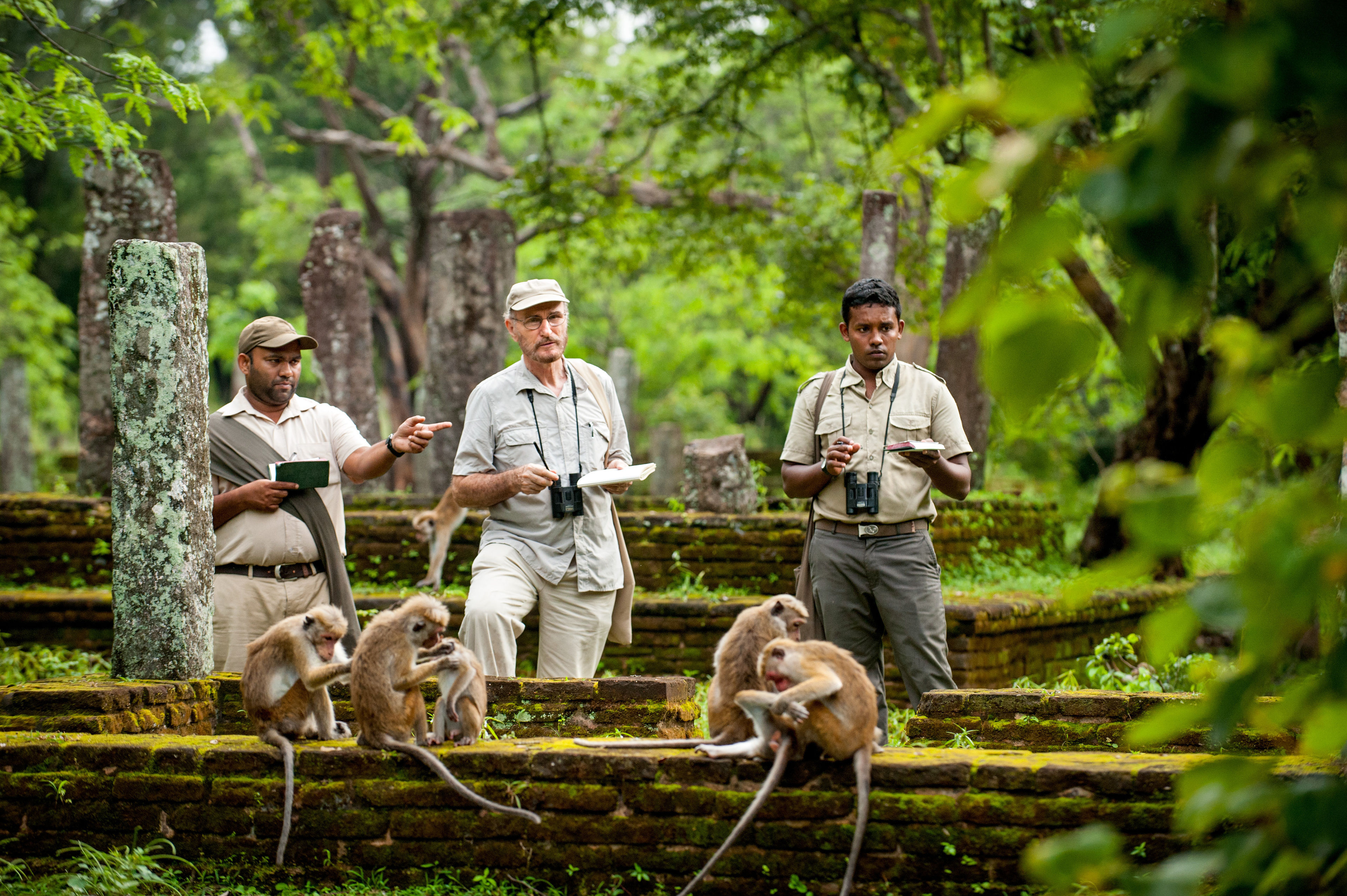
 It was, however, resident primatologist Dr. Wolfgang Dittus’ research that made this movie possible. German-born Dr. Dittus has been studying macaques in Sri Lanka for nearly 50 years, the longest-running monkey study of all time.His research proved invaluable to the film crew. His knowledge of the monkeys in Polonnaruwa allowed the filmmakers to understand their social structure, day-to-day lives and individual personality traits. As a result, they could choose their “stars” wisely and approach filming in an informed way, telling the troops’ true story as it unfolded.


 There are also 10 black and white fine art prints on display at the exhibition. “I felt that these images had more impact and gave out more definition in black and white without the distraction of colour. The behaviour of the animal or the portrait (for the close-ups such as that of the leopard, elephant and sloth bear) can also be seen in greater detail in this format and it adds some variety to the images on display rather than having only colour prints,” he explains.
 glance, they seem to showcase archaeological sites in Sri Lanka, but a closer look will reveal the birds that perfectly blend into the ruins. There are kingfishers perched on top of ancient korawakkgala, the owl in wata da geya, an Indian Pitta in the ruins of Polonnaruwa- hence the theme ‘Wild in Ruins’. Lester says he wanted to promote birding in Heritage Sites through this exhibition while also highlighting the importance to step up conservation of Sri Lanka’s wildlife, before human activities ruin them. In a colour sketch the artist has shades of different colour to bring life to a painting, but in black and white, the artist has to use different shades of the same colour to give depth to the drawing, which needs lots of patience and skill. “Drawing wildlife in black and white is more difficult, but I enjoy it. It is like a meditation that brings me enormous personal pleasure,” Lester says. This is Lester’s 8th exhibition of wildlife art. With almost 30 years’ experience as a birdwatcher, Lester is undeniably one of the most accomplished bird artists in the region. He has exhibited his work at many international exhibitions and was invited by the Royal Society for the Protection of Birds for “Art on the wing” 2005 to exhibit his work along with the leading wildlife artists in Europe at the Maclaurin Gallery in Scotland.
 He annually donates his work to the Oriental Bird Club of the UK to be auctioned at the British Bird Watching Fair held in Leicestershire, the proceeds of which are used for significant bird related conservation work in the Orient. “I’m already framed as a ‘Bird Artist’, but I also wanted to prove I’m versatile and I can take up the challenge of drawing other things,” says Lester explaining why he has chosen to focus more on habitats this time – particularly archaeological sites. As a renowned naturalist, Lester points out that people need to enjoy nature as a whole when they go out into the wild. “Other than birds, leopards or elephants – there are so many things to observe when people go out into a forest. Simple things such as the fallen leaves on the forest floor in different stages of decay can be something unique to explore,” added Lester, who is critical of the behaviour of visitors to wildlife parks who chase behind animals like leopards in a crazy effort to photograph them.
  It is not easy to become a wildlife artist in Sri Lanka as there is very little assistance from the state and no proper government run Art Gallery that can be used by the budding artists to showcase their talents, points out Lester who feels it is high time the State played a more active role in fostering the arts. “Wild in Ruins” will be at the Harold Peiris gallery of the Lionel Wendt on September 6 and 7 of 2014 from 9 a.m. to 6 p.m.


 Window to Nature