Following World Environment Day on June 5, with its focus on “Putting an End to Plastic Pollution,” World Ocean’s Day recently highlighted the need to address plastic contamination, particularly its impact on marine environments.
At the official Ocean’s Day Ceremony in Port City, Emeritus Professor of Ecology, Prof. Sarath Kotagama, underscored the severity of the issue, citing alarming new research.
Prof. Sarath Kotagama addressing the ceremony
“Microplastics are now even in the human brain, so we urgently need to act quickly to reduce our plastic pollution,” said Prof. Kotagama.
He referenced a recent study by the University of New Mexico, US, which found that human brain samples collected at autopsy in early 2024 contained significantly more microplastic than those from eight years before. The study revealed concentrations of 4,800 micrograms per gram – or 0.48% by weight – in the brain tissue of normal individuals with an average age of 45-50. This amount is equivalent to an entire standard plastic spoon.
Microplastics are tiny plastic particles, less than 5 millimetres in size, mainly formed when larger plastic waste breaks down due to sunlight, wind, ocean waves, or mechanical abrasion. These microplastics, and even smaller nanoplastics, can enter human bodies through ingestion or inhalation.
Prof. Kotagama shared a striking example from his own research: “Several years back, one of my students found microplastics in the feathers of egrets, birds that inhabit water-associated habitats. How can bird feathers get microplastics – the bird would not intentionally eat plastic or polythene, but would have come through food chain.’’ It illustrated how deeply ingrained plastic pollution has become in Sri Lanka’s ecosystems. Similarly, microplastics can get accumulated in our bodies too, he explained.
When the Ministry of Environment offered Prof. Kotagama a token of appreciation, he returned to the podium to refuse it, as the gift was made of plastic.
“We have to set ourselves the example and start taking actions by ourselves,” the seasoned environmentalist told the stunned crowd, emphasising the importance of personal responsibility in combating plastic pollution.
Plastic pollution has become deeply ingrained in Sri Lanka’s ecosystems
Sri Lanka faces a significant challenge with plastic waste, generating 249,037 metric tonnes a year. According to last year’s “National Plastic Waste Inventory for Sri Lanka,” about 171,561 tonnes (about 69%) of this plastic waste goes unmanaged. This includes uncollected waste that may be buried, burned, or escapes into the environment before or within the waste management system.
Dr. Anurudda Karunarathna of Peradeniya University, the report’s main author noted that these figures are particularly only on plastic waste – not organic wastes.
The “National Plastic Waste Inventory for Sri Lanka,” launched last year, is the second comprehensive study of its kind after Ghana to use a modern material flow analysis methodology, Dr.Karunarathna told the SundayTimes.
The total plastic waste generation in urban areas is significantly lower than in rural areas according to the study and this is a result that 82% of the population residing in rural areas. However, when considering per capita plastic waste generation, urban areas have the highest at 28.6 kg a year per person, compared with 9.1 kg/year/person in rural areas according to Dr.Karunarathna. An estimated 67,965 tonnes (27%) of plastic waste is not collected at all, often being burned, illegally dumped, or buried on site.
Plastic pollution is widespread in South Asia, recognised as one of the worst-affected regions globally. To address this collectively, the Plastic Free Rivers and Seas for South Asia (PLEASE) initiative was launched. Funded by the World Bank and implemented by the South Asia Cooperative Environment Programme (SACEP) with support from UNOPS, PLEASE is the region’s largest effort to combat marine plastic pollution and promote sustainable plastic use. Its seventh round table meeting was recently held in Colombo, bringing together innovators and financial resources to tackle the issue.
The PLEASE project has significantly contributed to establishing waste management initiatives in Sri Lanka and its six participating South Asian countries.
According to SACEP Director General, Norbu Wanchuk, the project has enabled the recycling of over 626,000 kilograms of plastic waste into useful resources.
Collectively, South Asian waste management companies, civil society groups, and communities have prevented 10.2 million kilos of plastic waste from polluting rivers and seas over the past five years.
Sri Lanka’s waters are home to over 200 shipwrecks, each holding a unique story of trade, war, and maritime heritage. Among the most significant are the Godawaya Shipwreck, which dates back over 2,000 years, and HMS Hermes, the world’s first purpose-built aircraft carrier built by British and sunk by Japanese dive bombers during World War II (1931-1945).
Over time, these shipwrecks have transformed into artificial reefs, supporting marine biodiversity and playing a crucial role in ocean ecosystems. However, climate change is now emerging as a major threat to their survival, potentially shortening their lifespan.
“Shipwrecks face multiple threats from climate change,” says Prof. Sevvandi Jayakody of the Department of Aquaculture and Fisheries at Wayamba University of Sri Lanka. “These include extreme weather events, ocean acidification, invasive species, and rising sea temperatures, all of which can accelerate the degradation of wrecks.”
Marine archaelogists exploring Godawaya shipwreck2. Pic courtesy Maritime Archaeology Unit of Sri Lanka
Sri Lanka is increasingly vulnerable to extreme weather events, with storms becoming more intense due to climate change. A literature review published in the Sri Lanka Journal of Economic Research highlights a significant rise in tropical cyclone intensity in the Bay of Bengal between 1981 and 2010, a trend scientists attribute to higher sea surface temperatures. Other studies suggest this intensification has continued over the past two decades.
“More intense storms and cyclones generate powerful waves and strong currents that can impact shipwrecks, specially those in shallow waters,” explains Dharshana Jayawardane, a researcher of shipwrecks for over two decades. “Even after heavy monsoon seasons, we’ve seen cases where shallow-water wrecks suffer damage due to rough seas. If storm intensity increases, the risk to these wrecks will only grow.’’
Strong waves also shift sand and sediment, exposing previously buried wrecks to deterioration or burying them deeper, which can hinder archaeological research and conservation efforts, he said.
Diving tourism
Human-induced climate change, driven by greenhouse gas emissions such as carbon dioxide (CO₂), not only warms the planet but also increases ocean acidity when the ocean absorbs carbon dioxide from the atmosphere, which lowers the ocean’s pH.
“Globally, research has shown that ocean acidification speeds up the corrosion rate of iron and steel wrecks,” notes Prof. Jayakody. “This is especially concerning for wrecks like HMS Hermes, which may still contain live ammunition. As the metal weakens, there is a risk of explosive materials being exposed.”
Another alarming consequence of corrosion is the potential release of bunker oil from sunken ships. If intact fuel tanks begin to leak due to rapid deterioration, it could cause secondary environmental pollution, further harming marine ecosystems.
Although ocean acidification studies in Sri Lanka are still in their early stages, the National Aquatic Resources Research and Development Agency (NARA) is monitoring pH levels in coastal waters.
“We take regular measurements from stations on both the east and west coasts,” says Dr. Kanapathipillai Arulananthan director general of NARA. “Additionally, the Norwegian research vessel Nansen is expected to provide further insights into changing ocean parameters in the Northern Indian Ocean.”
Another hidden threat is the rise of invasive species that could now establish in different areas due to warming waters. Changes in ocean temperature and acidity alter microbial activity, leads to faster decomposition of wooden shipwrecks according to research.
“Wooden wrecks are particularly vulnerable to wood-boring organisms like shipworms, which thrive in warmer conditions,” warns Prof. Jayakody. “As ocean temperatures rise, these organisms could spread to areas where they previously could not survive, accelerating the breakdown of historical wrecks.”
Ballast water from ships can introduce these invasive species to new environments. While differences in salinity, temperature, and acidity once prevented their survival, climate change is making new habitats more suitable for these species, increasing the risk of bioerosion.
Beyond their historical importance, shipwrecks serve as artificial reefs, providing shelter and breeding grounds for marine life. However, climate change threatens their ability to sustain biodiversity. Rising sea temperatures can lead to coral bleaching and degradation, weakening the ecosystem surrounding wreck sites.
Sri Lanka has experienced several significant coral bleaching events over the past few decades, mainly due to higher sea temperatures and other environmental stressors. 1998 Mass Bleaching Event that was triggered by a strong El Niño effect , led to the destruction of over 50% of some coral reefs in Sri Lanka. Another substantial bleaching occurred in 2016, causing extensive coral damage. Sri Lanka is frequently experiencing heat waves, so more such coral bleachings are expected.
Also, stronger storms and shifting currents could damage or bury shipwrecks, leading to habitat loss for marine organisms. Combined with disruptions in food chains and breeding patterns, these factors pose a significant risk to the stability of these underwater ecosystems according to Prof. Jayakody.
With shipwrecks spanning ancient, colonial, and modern eras, Sri Lanka holds a treasure trove of global maritime heritage.
According to Rasika Mutukumarana of the Department of Archaeology, about 40 shipwrecks in Sri Lankan waters are of significant historical value. However, the full extent of he impact of climate change on these wrecks are still unknown.
“These changes can be slow but significant,” Mr Mutukumarana explains. “Long-term monitoring is crucial to assess and mitigate damage, but securing funding for such research remains a challenge.”
Prof. Jayakody echoes this concern, emphasising the unpredictability of climate change’s effects on shipwrecks. “We may not even have seen the full extent of these impacts yet. Biological changes triggered by global warming could bring consequences we haven’t even imagined. That’s why continuous monitoring and conservation efforts are essential to safeguard this invaluable maritime heritage.”
As climate change intensifies, Sri Lanka’s shipwrecks face an uncertain future. Without proactive measures, these historical and ecological treasures could deteriorate beyond recognition, taking with them invaluable insights into the past —and a crucial refuge for marine life in the present.
Mr. Mutukumarana said every shipwreck is unique and when one disintegrates so goes its story, too. The only way forward would be to reduce the rate of global warming.
(This story was produced under the CIR- CANSA Media Fellowship Programme.)
Thousands of dead triggerfish found washed ashore on Trincomalee beaches likely died due to factors associated with an algal bloom, according to scientists.
Trincomalee is renowned for its serene beaches, but certain areas recently turned foul-smelling due to thousands of decaying fish washing ashore and floating in the shallow bays. Onlookers speculated various causes, from pollution and temperature changes to an impending natural disaster or even a bizarre case of mass fish suicide.
The fish die-off occurred between October 29th and November 1st, coinciding with Halloween week, sparking eerie rumors of supernatural occurrences. The affected species, the Red-toothed Triggerfish (Odonus niger), is named for its distinctive red teeth visible when the mouth is closed. The sight of these fish might easily inspire Halloween-themed stories, perhaps invoking images of Dracula-like creatures.
However, the mass death of triggerfish in Trincomalee is linked to a natural phenomenon – a sudden algal bloom, explained Dr. Sujeewa Athukoorala, a Senior Scientist at the National Aquatic Resources Research and Development Agency (NARA). Analysis of satellite imagery from the affected period revealed a high-density algal bloom in Trincomalee’s waters. The thick algal layer likely caused oxygen depletion in the fish’s habitat. Additionally, the dense algae can clog the gills of triggerfish, impairing their respiration. This combination of low oxygen and gill blockage led to the mass mortality event, according to Dr. Athukoorala.
Sri Lanka experienced heavy rainfall throughout October, and the Mahaweli River, which flows into the sea at Trincomalee, likely brought large volumes of freshwater and nutrients into the marine environment. Torrential rain often carries excess nutrients, potentially triggering algal blooms, Dr. Athukoorala told the Sunday Times.
The Red-toothed Triggerfish typically inhabits seaward coral reefs with strong currents, often forming aggregations while feeding on zooplankton and sponges. Juveniles are found in isolated rubble patches or crevices that provide suitable shelter. The species can grow up to 50 cm, with an average length of 30 cm. “During this mortality event, the sampled fish were juveniles, measuring between 10 to 15 cm in length,” noted Dr. Athukoorala.
Triggerfish called as ‘pothubari’ in Sinhala are more environmentally sensitive than many other marine species, making them particularly vulnerable to changes in their surroundings. A similar mass mortality event involving mainly triggerfish occurred in the Maldives in 2016, linked to high sea temperatures, coral bleaching, and subsequent algal blooms, resulting in oxygen depletion.
In the case of Trincomalee’s fish die-off, temperature data from the surrounding area indicated an average of 30°C during the three-day period. Since no sudden spikes in temperature were observed, a temperature change is unlikely to have caused the mass mortality, Dr. Athukoorala confirmed to the Sunday Times.
Recent reports of unsuspecting swimmers being stung by Stonefish in Galle, have raised concerns.
Stonefish are considered one of the most venomous fish in the sea. Senior lecturer, Faculty of Medicine, University of Ruhuna, Dr. Janaka Ruben, said the venom is not only painful, but more dangerously, a big dose could be fatal to humans. He said it was important to get medical assistance as soon as possible if you get stung by a stonefish.
Stonefish is a bottom-dwelling fish, usually found in the shallow sea in the Indian and Pacific oceans. The fish live around corals or rocks at the shallow sea bottom. They are not attractive like other marine fish. They are stocky and have a large head, mouth, small eyes, and rough skin covered with wart-like lumps.
Stonefish (c) Devid P. Robinson – Ocean Image Bank
The stonefish has a spine on its back that is attached to a venom sac, and these stiff spines are strong and sharp enough even to pierce a rubber slipper. Since this well-camouflaged fish blends with its surroundings and rests on the bottom without moving, someone could easily step on it, Dr.Ruben said.
He said if someone is stung in the sea, immediately take the victim out of the water and keep the foot in warm water. One must get medical treatment as early as possible.
A few individual stonefish in the shallow sea near the Galle lighthouse in the Fort were removed, but be aware if you are stepping into the sea, warns Dr.Ruben.
When someone steps on a stonefish, the spine injects an amount of venom proportional to the amount of pressure applied to it. The stonefish is also able to extend its sharp, specialised spines as an additional defence mechanism.
Marine biologist and author of “The Field Guide to Reef Fishes of Sri Lanka,” Arjan Rajasuriya, says there are several species in the family Scorpaenidae, and all are venomous. This is a family of fish that includes venomous fish such as scorpionfishes, lionfishes, stone fish. It is also possible that the victims were stung by Scorpaena sp., known as the Scorpion Fish, which is also a bottom dweller and a true Stonefish species, Mr. Rajasuriya told the Sunday Times.
The stonefish are widely distributed but not found in large numbers as they are solitary. Unless your eye is trained to spot them, you will not notice them as they are highly camouflaged, and most people will swim over them without even noticing, Mr.Rajasuriya said. You notice it only when it moves to avoid you when you get too close to it, the expert added.
scorpion-fish (c) Image by Franziska Stier from Pixabay
The lionfish is a more good-looking member of this same family and has proven to be a fatal attraction. Even Mr. Rajasuriya fell victim when his left-hand fingers got stung by a lionfish with six dorsal spines while he was doing studies in the 1970’s. “I nearly passed out for the excruciating pain; however, I recovered with pain killers,” he said.
The ocean covers more than 70 percent of the Earth’s surface and each country is given the right to manage an area of oceans extending 200 nautical miles (about 370km) from the shore which is known as the ‘Exclusive Economic Zone (EEZ)’.
The rest of the oceans are called ‘High Seas’ or international waters. As all countries have the right to fish on the high seas, marine life there becomes particularly vulnerable to unchecked exploitation.
Over 90% of the sharks and ray species are threatened due to overfishing and the Marine Protected Areas proposed under the High Seas Treaty could provide a much needed lifeline for their survival. (c) Ocean Image Bank
According to the Global Red List of Threatened Species published by the International Union of Conservation of Nature (IUCN), more than 1,550 of the 17,903 marine animals and plants assessed on the red list criteria are at risk of extinction.
However, now there is hope as countries reached an agreement on a crucial treaty on Saturday, March 4. The treaty’s official name is the “Agreement under the United Nations Convention on the Law of the Sea on the conservation and sustainable use of marine biological diversity of areas beyond national jurisdiction (BBNJ)”. It now awaits adoption by UN member-states.
Sri Lanka has officially welcomed the agreement. In a statement, the Foreign Ministry says Sri Lanka welcomes the commitment of developed countries under the BBNJ agreement to fund capacity-building projects which will assist developing countries to undertake conservation measures.
The talks of managing the world’s high seas started in 2004 – almost two decades ago under the provisions of the Convention of the Law of the Sea (UNCLOS). Adopted in 1982, the UNCLOS, of which Sri Lanka is a signatory, came into force in 1994. The UNCLOS set a legal framework for all marine and maritime activities under national jurisdictions, introducing the concept of the Exclusive Economic Zone (EEZ).
As marine biodiversity is mainly threatened due to overfishing and natural resources being over-exploited, the need to manage the ‘high seas’ or the areas beyond EEZ assumed greater importance, but UNCLOS does not provide a framework for areas beyond national jurisdiction.
The UN then established an intergovernmental conference on the conservation and sustainable use of biodiversity beyond national jurisdiction (BBNJ). The conference was convened on six occasions. The marine conservationists had hoped for a final deal at last year’s conference, but the talks failed without an agreement.
The new agreement sets a framework for establishing marine protected areas (MPAs) on the high seas. This was absent in previous drafts. A new body (A UN Conference of Parties) will be empowered to establish these MPAs with the goal to establish a connected network of high-seas MPAs. This includes the development of a new body to consider an MPA management plan and establish associated measures.
“We act as if ocean resources are inexhaustible that will keep on providing an unlimited harvest of fish and can dump everything, but, ocean resources also need to be used sustainably, otherwise it will be like killing the goose that lays the golden egg,” says Prof. Terney Pradeep Kumara, of the Faculty of Fisheries and Marine Sciences & Technology at the University of Ruhuna.
Many marine species are on the brink of extinction due to overfishing, so establishing large MPAs on high seas would benefit such species, Prof. Kumara said.
Sri Lanka has multiday boats that do fishing on the high seas and the Fisheries Ministry has a High Seas Fisheries Unit to manage such activities. The Ministry has issued about 2,674 High Seas fishing licences, but in reality, only around 1000 multiday boats conduct fishing in the High Seas, says Multiday Boat Owners Association president Tyron Mendis.
In case an MPA is set near Sri Lanka in the Indian Ocean, local fishermen may have an impact, but as it helps to increase fish stocks – such MPAs may also benefit them, Prof. Kumara said. However, Sri Lanka needs to assess the clauses of the agreement and should set local legislation in a manner that benefits the country, he said.
Other than providing fish, there are many other benefits from the ocean. Since any country can do research on the high seas, developed countries with their advanced technologies freely conduct research aimed at, among other things, finding genetic resources.
These genetic resources, for example, may be used to produce a pharmaceutical product and earn a colossal amount of revenue. To manage this, the high seas treaty calls for a fair sharing of benefits from marine genetic resources.
The treaty will balance the freedom of marine scientific research with fair and equitable sharing of benefits, states the High Seas Alliance (HSA), an international organisation that pushes for the protection of the high seas. The agreement contains obligations for States to share both non-monetary benefits — for example, access to samples and increased scientific cooperation — and monetary benefits, HSA says.
The treaty also set the need for Environmental Impact Assessments (EIA) for activities on the high seas, such as large-scale geoengineering projects, and high-seas aquaculture.
To benefit from the agreement in a fair and equitable manner, developing countries such as Sri Lanka focus on capacity building and transfer of technology, knowledge sharing, and cooperation to fulfill rights and responsibilities in a meaningful manner.
The Foreign Ministry also notes that Sri Lanka’s participation during the negotiations ensured that the conference took into account these concerns.
However, even though the text of this new treaty was agreed upon, its implementation will take years, says Daniel Fernando of the Blue Resources Trust (BRT). According to the UN process, the countries need to meet again to formally adopt the agreement and then keep it open for countries to sign the treaty.
The High Seas Treaty will only enter “into force” after 60 countries sign it and pass supporting legislation in their home countries. “But it is a big step forward in conserving marine biodiversity as there are a lot of unsustainable exploitations,” Mr. Fernando told the Sunday Times.
Humpback whales in the ocean. Image courtesy of Toby Matthews / OceanImageBank
Fishing gear in Sri Lankan waters continues to pose dangers to marine turtles, and there is little help on shore for creatures that are seriously injured. The bycatch remains problematic. But, in the nearby Maldives, a group is helping to rescue and rehabilitate injured marine turtles and experts point out the importance of establishing a similar program in Sri Lanka.
Three types of fishing gear have been identified as risks to sea turtles — gill nets, prawn/shrimp trawls, and longlines. Gill nets account for the highest number of entanglements. There are instances where fishermen themselves cut the flippers to protect their nets.
A sailor untangles the fishing net from one of the 13 turtles found off Batticaloa c oast. Pix by Navy media
During a patrol on September 26, sailors of SLNS Samudura — once engaged in fighting terrorists — hauled in 13 turtles entangled in fishing nets about 10 nautical miles off Batticaloa. The creatures were later released.
Turtle expert Dr. Lalith Ekanayake of the Bio Conservation Society, who checked the images from that rescue, said they were Olive Ridley Turtles (Lepidochelys olivacea).
“These turtles were lucky. They were seen before any serious injury, but we sometimes find turtles that have suffered cuts to their flippers in their attempts to escape,” he said.
Fitting a satellite tracker to ‘Peggy’, a turtle rehabilitation success story. Photo: MarineSavers
A study by Prof. Rupika Rajakaruna of the University of Peradeniya about perceptions of fisherfolk and practices of turtle catches in 2020, found that most have experienced sea turtles being entangled in their fishing gear (78.5%), and that these were usually accidental (89.4%).
The study also found that fisherfolk involved in eating and/or selling turtle meat is significantly lower compared with the past. They are also not selling turtles for fear of the law but bycatch remains a problem.
Sugath Emmanuel, who heads a regional fisheries organisation in Kudawa, Kandakuliya in Kalpitiya said he recalled his father hunting sea turtles to sell the meat.
“But now, fisherfolks in our community are not bringing in any turtles as there are fines and the equipment can be confiscated,’’ he told the Sunday Times. “However, some do eat the meat of turtles caught in their nets. There are others who hand over injured turtles to wildlife officers.”
Regional veterinary surgeons of the Department of Wildlife Conservation (DWC) treat injured turtles.
Prof. Rajakaruna’s study found a large percentage of fisherfolk (61.4%) were unaware that sea turtles were air breathers. “This is important information as fisherfolk assume that the turtles caught in their nets are able to breathe underwater, and presumably leave entangled turtles in their fishing nets instead of removing them or reducing soak times,’’ Prof. Rajakaruna said.
Turtles can stay underwater for about two to five hours, but need to surface to breathe and they can die by suffocation when entangled in nets.
Dr. Suhada Jayawardane of The Wild Animal Rescue Centre in Aththidiya in Western Sri Lanka said the centre has received about 30 injured turtles this year.
A turtle trapped and killed in a ‘ghost net’. Photo: Umeed Mistry, Ocean Image Bank
“Most were entangled in fishing nets and got their flippers cut,’’ Dr. Jayawardane said. “If the cut is deep and infected, we sometimes must amputate the limbs. Turtles without one flipper can survive in the wild, but if many flippers are damaged, survival is difficult. Some turtles also have ‘buoyancy syndrome’, which makes diving impossible. Such turtles, too, must be taken care of.’’
Most regional wildlife offices don’t have facilities to care for injured turtles. So they give the animals to hatcheries. But, these facilities are also not adequate.
During a recent media workshop tour to the Maldives with the support of the Earth Journalism Network, the SundayTimes got a chance to observe turtle rehab.
MarineSavers, a conservation group active in the Maldives, rehabilitated over 450 turtles since 2010. Out of these, 75 of the animals had been Olive Ridley turtles and the rest consist of Green Turtles and Hawk’s Bill turtles, said Dr. Katrina Himpson, the veterinary surgeon of the turtle rescue and rehabilitation centre at the Four Seasons resort at the Landaa Giraavaru.
The vets also experiment with ‘environment enrichment devices’, such as floating pipes filled with food to stimulate foraging behaviour in the wild. According to MarineSavers, logs and other physical structures designed to provoke exploratory behaviours and provide tactile stimulation are also added to the turtle tanks.
Also being used is a structure made of pipes in the shape of a square with a rope around it. The turtles can manipulate it with their flippers, climb through it and rub their shells against it. MarineSavers has sent a few turtles to large aquariums in other countries.
‘Frisbee’; a turtle that lost both its front flippers interacting with a floating frame – a turtle toy or Habitat environment devices (c) ReefSavers
A turtle they rescued in 2014 and named ‘Peggy’ had lost a flipper and it had ‘buoyancy syndrome’. It could not dive. In 2016, it was sent to an aquarium in Belgium. After about two years, the turtle recovered its ability to dive. It was then airlifted to the Maldives and released in 2019.
Satellite-tagged data showed that ‘Peggy’ went all the way near India’s Odisha coast where thousands of Olive Ridley Turtles nest. Data also reveal that it swam in parallel to Sri Lanka’s south coast and then swam toward the deep seas somewhere near Batticaloa.
Dr. Ekanayake said in Kalpitiya the team will test a green LED light that had been experimented with elsewhere, to reduce bycatch. The LED is tied across gill nets. It is believed that turtles can see certain light wavelengths.
It was developed by John Wang, an ecologist for the National Oceanic and Atmospheric Administration of the USA (NOAA). Test results show up to 60% reduction in turtle bycatch. An Indonesian pilot project has reported a 20% boost in the target catch according to a World Wildlife Fund report.
This story was produced with support from Internews’ Earth Journalism Network
The Jaffna Peninsula at the northern tip of Sri Lanka, off-limits for decades because of the country’s civil war, is home to one of the richest collections of corals on the island, a study shows.
Led by Jaffna native Ashani Arulananthan, the survey cataloged 113 species of hard coral, of which 36 have never been found anywhere else in Sri Lanka.
Along with the high diversity, the researchers also found less damage from bleaching than in coral reefs elsewhere in Sri Lanka; however, they did note signs of degradation from pollution and fishing activity.
Arulananthan says it’s important to conserve these diverse coral communities, which show a higher resilience to climate change impacts than other reefs around Sri Lanka.
A healthy coral reef found in Point Pedro on the northern Jaffna Peninsula, courtesy of Anura Upasanta.
JAFFNA, Sri Lanka — Ashani Arulananthan says she can recall childhood visits to the beach in her home village in Sri Lanka’s northern district of Jaffna. She would collect washed-up pieces of coral, and her father would share his own memories of the dazzling beauty of coral reefs emerging during low tide.
This sparked her interest in corals and set her off on the path toward science. Today, Arulananthan is a researcher at the University of Peradeniya, and lead author of a 2021 study cataloging the rich coral diversity of her native Jaffa Peninsula.
For decades, research in Jaffna, and indeed much of northern Sri Lanka, was virtually impossible because of security reasons: The region was under the control of the Tamil Tigers, or LTTE, the rebel group waging a civil war against the Sri Lankan government. With the defeat of the LTTE in 2009, the northern region slowly began to open up. Arulananthan and her colleagues carried out their coral survey from March 2017 to August 2018.
Their headline finding is the sheer wealth of coral biodiversity along the very northern tip of the Jaffna Peninsula and a handful of nearby islands in Palk Bay. They found 113 species of hard, or scleractinian, corals, 36 of which have never been recorded anywhere else in Sri Lanka.
Researchers discovered most of the coral reefs found in Sri Lanka’s northern seas to be in good condition. Image courtesy of Akila Harishchandra.
Challenging research
Arulananthan tells Mongabay she knew it would be a difficult task to research the corals in Jaffna. Most corals in Jaffna form what are known as fringing reefs, which that grow seaward directly from the shore. But there are several islands that have corals around them that run as deep as 20 meters (66 feet), so it was essential to find capable divers to study them.
For this, Arulananthan turned to the National Aquatic Resources Research and Development Agency (NARA) and Ocean University of Sri Lanka for access to their expert divers. The divers took photos during the surveys at each site, which were then used to identify each coral species.
Healthy intermediate valley coral (Oulophyllia crispa) found at one of the study sites in Jaffna, in Sri Lanka’s north. Image courtesy of Ashani Arulananthan.
The researchers also gathered coral samples to carry out DNA analysis for species that were harder to identify. This posed its own challenges. The first set of samples proved failures as the DNA was contaminated. Arulananthan then had to find a way to preserve the samples until she could get them to a lab at the University of Peradeniya, about 320 kilometers (200 miles) away.
In the end, their efforts paid off. In addition to identifying the coral species, the survey also found a high level of average live coral cover along the Jaffna Peninsula, at 48.5%; in the surrounding islands, there was an average of 27% live coral cover. That means this region “has the highest live coral cover among the regions of Sri Lanka,” the study says.
And while corals in southern and northwestern Sri Lanka have suffered from severe bleaching events, those in the northern Jaffna Peninsula remain relatively untouched and maintain a rich diversity, says study co-author Anura Upasanta, a researcher at the Ocean University of Sri Lanka, who also dived to collect samples for the survey.
Ashani Arulananthan snorkeling and taking notes about the status of the corals underwater. Image courtesy of Ashani Arulananthan.
Climate-resilient corals
It’s not all good news for the corals in this region, however. Large stretches of reefs are being degraded by pollution or fishing activity, Arulananthan tells Mongabay. Because the corals found here are unusually resilient to climatic change and are likely to survive even harsher conditions, it’s important that they be protected and preserved, Arulananthan says.
The researchers also surveyed corals on four islands near the tip of the peninsula. These were found to be heavily degraded, with a high percentage of dead coral, the researchers say. They identified sewage discharge, destructive fishing practices, poorly managed resource exploitation, dredging, higher algal cover, and increasing sea surface temperatures as the main threats to coral survival.
“Most fishermen do not understand the value of corals which they consider only to be an obstacle for fishing as corals get entangled in fishing nets,” Arulananthan says.
To address this problem, Arulananthan held a series of awareness-raising discussions with Jaffna fishing communities, teaching them about the value of corals as the primary breeding ground for the fish they catch. She also conducted lectures for school students in Jaffna to raise awareness about the value of corals as ecosystems. She says she found there was little or no understanding among the community about the key role that corals play as a natural buffer during high tides, and especially in reducing the impact of the 2004 Indian Ocean tsunami.
Professional divers helped the researchers photograph and take samples from corals as deep as 20 meters (66 feet) including reefs damaged by blast fishing. Image courtesy of Ashani Arulananthan.
Study co-author Sivashanthini Kuganathan, head of the Department of Fisheries Science at the University of Jaffna, said the lack of funding for continued research is hampering further study.
Leading Sri Lankan coral expert Arjan Rajasuriya, a former research officer at NARA who was not involved in the study, welcomed the new findings as enriching the body of knowledge about Sri Lanka’s northern corals.
“Due to the long years of violent conflict, most of our work was not done in the northern waters,” says Rajasuriya, one of the few researchers who has consistently studied the Jaffna region corals.
Rajasuriya says the outcomes of studies like the recent one and his own should inform decision-making when it comes to coral conservation and management. But unfortunately, he says, in Sri Lanka this isn’t the case.
Citation:
Arulananthan, A., Herath, V., Kuganathan, S., Upasanta, A., & Harishchandra, A. (2021). The status of the coral reefs of the Jaffna Peninsula (Northern Sri Lanka), with 36 coral species new to Sri Lanka confirmed by DNA bar-coding. Oceans, 2(3), 509-529. doi:10.3390/oceans2030029
Sri Lanka’s artisanal fishers are catching more manta and devil rays every year, including endangered species, than all global large industrial purse seine fisheries combined, a study shows.
Manta and devil rays, collectively known as mobulid rays, have slow reproductive rates, so even low to moderate levels of bycatch can have major impacts on their populations.
Driving their overexploitation is increased demand for their gill plates, prized in traditional Chinese medicine; before 2010, mobulid rays caught as bycatch were often released at sea due to lack of demand, but with the growth of the gill plate trade, they are increasingly brought to shore.
ll the six species of mobulid rays found in Sri Lanka are endangered under the IUCN Red List, but none of them receive legal protection, even though Sri Lanka is a signatory to international treaties that require measures to protect these species.
a pile of pectoral fins of mobulid rays courtesy of Daniel Fernando/Blue Resources Trust.
COLOMBO — When fishermen in southern Sri Lanka recently caught a giant oceanic manta ray, they needed a backhoe to haul it out of the water once they reached land. Weighing 800 kilograms, or nearly 1,800 pounds, the catch drew much local attention. It sold for 170,000 rupees, or about $470, and soon this endangered animal, Mobula birostris, was cut up into a pile of meat.
This isn’t an unusual occurrence in Sri Lanka, where artisanal fishers catch and kill a large number of manta and devil rays, known collectively as mobulid rays, every year.
A study published last year calculated that this annual catch far exceeds the estimated annual capture of mobulid rays by all global industrial purse seine fisheries combined, indicating a far more serious situation than previously thought.
The nine-year study, by researchers from the Blue Resources Trust in Sri Lanka and the Manta Trust in the U.K., shows how the spinetail devil ray (Mobula mobular) is being fished at rates that are much higher than the species’ natural population growth rate. It also highlights that the average sizes of all mobulids, except for the oceanic manta ray, are shrinking.
But there’s plenty of concern over the fate of the latter: notwithstanding the recent 800-kg catch, landings of oceanic manta rays are predominantly those of juvenile individuals, indicating that fishers are exploiting a potential nursery ground for the species in the waters off Sri Lanka.
A giant oceanic manta ray (Mobula birostris). Image courtesy of Guy Stevens.
Declining populations
Other than the oceanic manta ray, five species of mobulid rays are recorded in Sri Lankan waters: the spinetail devil ray, sicklefin devil ray (M. tarapacana), bentfin devil ray (M. thurstoni), shortfin devil ray (M. kuhlii), and longhorned pygmy devil ray (M. eregoodoo), all of them categorized as endangered on the IUCN Red List.
Mobulid rays, closely related to sharks, mature late and have slow reproductive rates and long gestation periods. This means that even low to moderate levels of fishing can lead to a decline in their population very quickly, said study co-author Daniel Fernando, a marine biologist and co-founder of the Blue Resources Trust. The study provides valuable insights into the various species’ life history, population trends and fisheries in Sri Lanka, highlighting the urgent need to protect them to prevent population collapse, Fernando told Mongabay.
The study was conducted from 2011 to 2020 across 38 fish landing sites around Sri Lanka. The field surveying team first gathered data on catch numbers, body size, sex and maturity status for the five mobulid species. They recorded mobulid rays at 21 of the 38 landing sites, totaling 6,516 individuals.
Of these, the spinetail devil ray was the most frequent species, accounting for 75% of the catches, with 4,898 individuals. The sicklefin devil ray was next (17.1%, or 1,114 individuals), followed by the oceanic manta ray (4.6%, or 299 individuals), bentfin devil ray (1.4%, or 93 individuals), and shortfin devil ray (0.9%, or 59 individuals).
Gill nets record high bycatch rates, so it’s essential to regulate their use to achieve sustainable fisheries, experts say. Image courtesy of Daniel Fernando/Blue Resources Trust.
High rates of catch
“What is greatly concerning is that our models estimate that over 1,000 oceanic manta rays, 11,000 spinetail devil rays, 5,000 sicklefin devil rays, and 500 shortfin devil rays have landed at these 38 monitored sites annually,” Fernando said. “When we also consider that Sri Lanka has an additional 883 fishery landing sites, the total annual catch estimates for manta and devil rays is extremely high.”
Another worrying finding from the research is that the individuals being caught are increasingly smaller, “decreasing by 1-2% [in body size] each year, indicating that they may be experiencing unsustainable levels of capture.”
Nearly half of the individuals that the researchers recorded were immature, including some pups. The researchers also documented the first, and to date only, record of the longhorned pygmy devil ray in Sri Lanka.
Mobulid rays are filter feeders, running large volumes of water through their gill plates to catch plankton. Dried gill plates are popular in traditional Chinese medicine, and demand for them has fueled an increase in fishing effort and retention of these species in bycatch fisheries.
“Through interviews with fishers, we found that before the demand for gill plates came about somewhere between 2000 and 2010, fishers often released the large rays entangled in their nets and also avoided putting their gill nets in the ocean if a mobulid ray was seen,” Fernando said. “But now things have changed and they bring them back to shore. The value as fresh meat, or dried meat, is extremely low compared to other fish. The gill plates are the primary driver of the fishery.”
Sri Lanka is the top killer of mobulid rays, according to a study, with its small-scale artisanal fisheries fleet using gill nets to particularly deadly effect. Image courtesy of Shanika Perera/Blue Resources Trust.
No incentive to stop fishing
Mobulid rays are often landed as bycatch by the gill net fisheries that primarily target skipjack tuna (Katsuwonus pelamis), yellowfin tuna (Thunnus albacares) and billfish, according to the study. In Sri Lanka, the most-used gear type in small-scale fisheries is the gill net (56%), which are responsible for an even higher proportion of incidental bycatch.
Many fishers also use gill nets in combination with long lines or ring nets to target yellowfin and skipjack tuna. Getting fishers to give up these highly effective methods will be extremely difficult, especially now, as Sri Lanka experiences the worst economic crisis in its history, said Arjan Rajasuriya, a marine ecologist and a former research officer at the National Aquatic Resources Research and Development Agency (NARA).
Operating a fishing boat is expensive, and fishers have been hit by skyrocketing fuel costs and runaway inflation that impacts on equipment costs, worker salaries and other operating expenses. At the same time, fishery resources are declining, meaning more fishing effort is needed to haul in the same catch as before. So even if mobulid rays in Sri Lankan waters are protected, it would be an uphill task to enforce the law on the struggling fishers, Rajasuriya told Mongabay.
The severed head of a giant oceanic manta ray at a fishing port. Image courtesy of Daniel Fernando/Blue Resources Trust.
Not a conservation priority
Historically, marine species have often been overlooked for conservation, which has instead tended to focus on the more visible terrestrial wildlife, Fernando said.
“The Asian elephant inhabiting the Sri Lankan wildernesses is also categorized as endangered and there is generally a big uproar when they get killed, but it is sad the same attention is not given to the endangered marine animals such as manta and devil rays, or other similarly threatened sharks and rays including the sawfishes and rhino rays, especially considering that some of them have even much higher threat levels,” he told Mongabay.
“It is not an easy situation in Sri Lanka where we rely heavily on marine resources for both food and income. What will be the future of fisher communities if we allow overfishing and directly cause population collapses? We must transition toward sustainable fisheries management, which would allow us to increase our product value while catching less,” Fernando added.
The gill plates from manta rays, which they use to filter out plankton from seawater, are dried and used in traditional Chinese medicine. Image courtesy of Daniel Fernando/Blue Resources Trust.
Rima Jabado, founder of the Elasmo Project that works on shark and ray conservation and chair of the IUCN SSC Shark Specialist Group, welcomed the findings from the recent study as key to guiding mobulid conservation measures in Sri Lanka.
“The recently updated IUCN Red List indicates that the mobulid ray species found in Sri Lanka are threatened, so the work being undertaken to research and monitor shark and ray fisheries like this is critical to gather data that can inform management,” she said. She called on Sri Lanka and other countries to introduce national regulations to effectively protect these species.
Sri Lanka is obliged to do so under regional and international commitments that it has signed up to. This includes the Indian Ocean Tuna Commission, which calls for conservation and management measures for mobulid rays (Resolution 19/03). The Convention of Migratory Species (CMS) also extends protection to mobulid rays from capture under Appendix I, while any international trade of their gill plates requires export permits due to their listing on Appendix II on the Convention on International Trade in Endangered Species of Wild Fauna and Flora (CITES). However, CITES clearly prohibits the issuing of permits if the specimens are obtained in violation of other national commitments such as CMS and IOTC.
The removal of the high-value gill plates needs to be done with care, and each landing site has a handful of fishermen with the requisite skills. Image courtesy of Daniel Fernando/Blue Resources Trust.
Number one mobuild killer
Jagath Gunawardana, a veteran environmental law expert in Sri Lanka, said it’s sad that the country is the number one mobulid killer in the world.
“We should take the Maldives as an example, for they took timely action to protect these magnificent creatures as far back as 1995 and even declared marine protection zones with the intention to protect these magnificent species,” Gunawardana told Mongabay.
He added it’s possible for Sri Lanka to legally protect mobulid rays through either the Fauna and Flora Protection Ordinance (FFPO) or the Fisheries and Aquatic Resources Act by including these species in the respective annexes of protected species. This order can be given by the relevant ministers through a gazette notification, Gunawardana said.
Citation:
Fernando, D., & Stewart, J. D. (2021). High bycatch rates of manta and devil rays in the “small-scale” artisanal fisheries of Sri Lanka. PeerJ, 9. doi:10.7717/peerj.11994
The sinking a year ago of the cargo vessel the X-Press Pearl was responsible for the single worst incident of plastic marine pollution in the world, according to a committee assessing the damages from the disaster.
The ship caught fire off Colombo and eventually sank, leaking its cargo that contained 25 metric tons of nitric acid and some 50 billion plastic pellets.
A year later, pellets are still washing up on shore and being cleared away by volunteers, while Sri Lanka tries to claim damages from the ship’s Singapore-based operators.
It has received $3.7 million as initial compensation, but experts say the full compensation for the environmental damage could be as high as $7 billion — a figure that would be a lifeline for Sri Lanka as it experiences the worst economic crisis in its history.
Acluster of nurdles found on Sri Lanka’s southern coast. Seabirds and crows often mistake these nurdles for food, because they resemble fish eggs. Image courtesy of the Pearl Protectors.
COLOMBO — A year since the sinking of the cargo ship the X-Press Pearl, Sri Lanka continues to clean its beaches of the plastic pellets that the vessel was carrying, and still trying to claim compensation for the environmental damage wrought.
An expert committee investigating the extent of damage to the country’s marine and coastal environment has now concluded the disaster to be the worst in terms of chemical and plastic pollution of the sea. That’s according to Ajith de Alwis, co-chair of the X-Press Pearl damage assessment committee and a professor of chemical and process engineering at the University of Moratuwa.
The committee has submitted its assessment report to the Attorney General’s Office for use in claiming compensation from the Singapore-based operators of the ship.
“However, the report is only the first edition of the damage assessment, and further assessments would continue based on the monitoring,” De Alwis told Mongabay.
Maritime law expert Dan Malika Gunasekera said Sri Lankan authorities have taken a long time to file for compensation and are reluctant to go through years of strenuous legal battles in international courts. Sri Lanka has obtained an interim payment of $3.7 million in damages, but the country could claim as much as $5 billion to $7 billion, according to Gunasekera.
With Sri Lanka currently mired in the worst economic crisis in the country’s history, those higher numbers would prove a much-needed injection of foreign currency. But further delays would diminish the cash-strapped island’s chance of getting sufficient compensation for the environmental damage, Gunasekera told Mongabay.
Salvation work is underway to raise the wreck of the X-Press Pearl and dismantle it. Image courtesy of X-Press Feeders.
Worst plastic marine pollution event
X-Press Pearl was carrying 1,486 containers when it caught fire off Colombo on May 20, 2021, and began sinking. Eighty-one of the containers were labeled hazardous, and the cargo included 25 metric tons of nitric acid — a key ingredient in the production of explosives, and touted as a possible factor for the fire. There were several explosions, and it took more than a week to bring the fire under control. Attempts to tow the vessel to deeper waters failed, and the freighter finally sank on June 2, 2021, a few kilometers off Sri Lanka’s western coast.
The ship was also carrying 400 containers of nurdles, the plastic pellets from which all manufactured plastic goods are made. The spill of the more than 50 billion pellets made this the worst plastic marine pollution event in the world, with the pellets quickly spreading along the beaches of Sri Lanka’s western coast.
The sinking of the X-Press Pearl cargo ship has resulted in the world’s single worst incident of plastic marine pollution. Image courtesy of the U.N. Advisory Mission Report.
The government carried out an initial cleanup of the beaches, but subsequent cleaning was done by volunteers like the Pearl Protectors, a youth organization.
“We had 28 major cleaning operations on main beaches and could collect as much as 1,500 kilograms [3,300 pounds] of nurdles,” said Muditha Katuwawala, coordinator of the Pearl Protectors.
But more nurdles keep washing up on the beaches, and with the island currently experiencing the southwest monsoon, nurdles that had initially sunk to the seabed or were trapped in underwater structures such as corals have been washed free and are making landfall.
“So it needs to be continuous work” cleaning up the beaches, Katuwawala said.
The Pearl Protectors, like other volunteer organizations around the program, are suffering from the economic crisis. The cost of organizing has doubled in the span of the last few months, with inflation hitting a record 39% in May. The country has defaulted on loan payments for the first time, while the local currency, the rupee, has nosedived against the U.S. dollar.
A container from the X-Press Pearl floating in the sea. Image courtesy of the Sri Lankan Marine Environment Protection Agency (MEPA).
Salvage operation
As for the wreck of the X-Press Pearl, it’s now being salvaged by the Shanghai Salvage Company (SSC), which was handed the task by the ship’s owners, Singapore-based X-Press Feeders. In a statement, X-Press Feeders said the salvage operation includes round-the-clock monitoring to deal with debris or other pollutants that may get dislodged during the operation. It also said regular water sampling will be carried out at the site, and that any oil spills will be responded to immediately.
According to SSC, the X-Press Pearl’s hull has essentially broken in half, so the wreck will be recovered as two separate sections. Operations were suspended at the end of April due to rough seas caused by the southwest monsoon.
Cleanly separating the two halves of the hull is due to start in November, after the monsoon, while the actual lifting is expected to begin in February 2023. The final phase, to be completed by September 2023, will see the wreck completely dismantled, recycled, and disposed of.
Nurdle displacement after the X-Press Pearl marine disaster. Image courtesy of the U.N. Advisory Mission Report.
Lack of baseline studies
Terney Pradeep Kumara, a marine biologist who previously headed Sri Lanka’s Marine Environment Protection Agency (MEPA), said it’s important to collect data during the salvation operation that can serve as evidence linking the environmental pollution to the X-Press Pearl. In the aftermath of the ship accident, marine biologists noted an unusually high number of sea turtle mortalities, which they suspect was the result of the pollution, but for which they currently lack definitive evidence.
‘Not having a baseline of the environmental conditions has been one of the biggest challenges in doing this environmental assessment,” said Prasanthi Gunawardene, the other co-chair of the X-Press Pearl damage assessment committee. There were about 30 different subcommittees with members from different fields, and getting input from different government agencies in the monitoring process was a challenge, Gunawardene told Mongabay.
COLOMBO — Mahalingam Kanapathi set off from his hometown of Beruwala in southwestern Sri Lanka in May 2021. Less than a month later, and nearly 3,000 kilometers (1,900 miles) away, the fishing boat he captained was seized by the coast guard of Seychelles.
Kanapathi was charged and tried for illegal fishing in Seychelles waters. He was convicted and ordered to pay a fine of 2.5 million Seychelles rupees, or about $174,000. Unable to do so, he was sentenced to two years in jail.
Kanapathi’s case is part of an increasingly common pattern of Sri Lankan fishermen, often from Beruwala, engaging in illegal, unreported and unregulated fishing in the waters of other countries and territories in the Indian Ocean. IUU fishing, as it’s known, is thought to account for about 20% of the world’s total fish catch, undermining efforts for sustainable fishing.
COLOMBO — Mahalingam Kanapathi set off from his hometown of Beruwala in southwestern Sri Lanka in May 2021. Less than a month later, and nearly 3,000 kilometers (1,900 miles) away, the fishing boat he captained was seized by the coast guard of Seychelles.
Kanapathi was charged and tried for illegal fishing in Seychelles waters. He was convicted and ordered to pay a fine of 2.5 million Seychelles rupees, or about $174,000. Unable to do so, he was sentenced to two years in jail.
Kanapathi’s case is part of an increasingly common pattern of Sri Lankan fishermen, often from Beruwala, engaging in illegal, unreported and unregulated fishing in the waters of other countries and territories in the Indian Ocean. IUU fishing, as it’s known, is thought to account for about 20% of the world’s total fish catch, undermining efforts for sustainable fishing.
While the massive, distant-water industrial fleets like those of China and South Korea have come to epitomize IUU fishing, in Sri Lanka the practice largely the domain of traditional fishers. These fishers have from historical times engaged in what’s known as “island job,” or dupath rassawa in the Sinhala language — fishing in the shallow coastal waters off small islands. And the abundance of such islands throughout the western Indian Ocean — from the British-administered Diego Garcia to Seychelles, Mauritius and the Maldives, to the Myanmar and Bangladesh islets in the Bay of Bengal — gives the fishermen plenty of choice, says Anthony Thomas, a fisherman.
“We know that it is illegal to fish in these foreign waters without a permit, but we can easily catch more fish than by fishing in Sri Lankan waters, so we often do this as the yield is worth the risk,” says Thomas, who, like Kanapathi, is also from Beruwala, and who has also experienced being caught and jailed for illegal fishing in Seychelles. In Thomas’s case, though, he spent only a few weeks in custody. “Our boat and the gear were confiscated, but the owner of the boat paid the fine and then Seychelles repatriated us,” Thomas tells Mongabay.
A Seychelles patrol vessel sailing alongside a Sri Lankan fishing boat taken into custody for illegal fishing, courtesy of the Seychelles People’s Defence Force.
Fishing in troubled waters
He says he knows other fishermen who go out every year to fish in other countries’ waters. The threat of a fine and a short stint in jail hasn’t managed to deter the practice, prompting authorities in some of these jurisdictions, including Seychelles, to start imposing stiffer penalties. The court in Seychelles that sentenced Kanapathi, for instance, said previous sentencing patterns “have not been sending the right signal back to their home state,” allowing foreign fishers to continue treating Seychelles waters as “an El Dorado for illegal fishing.”
Diego Garcia, part of the British Indian Ocean Territory, sits inside the Chagos Marine Protected Area, one of the largest marine reserves in the world. It’s a rich fisheries habitat that draws Sri Lankan vessels for illegal fishing: between 2010 and 2020, 91 of the 120 vessels seized there for illegal fishing were flying the Sri Lankan flag, according to official data from Diego Garcia. Most of them were from Beruwala, and their target was sharks.
There were more than 14,300 arrests in connection with illegal shark fishing in the area during that same period, according to a 2021 study.
“The study’s results also highlighted the grim reality that we have overfished the sharks in our waters, so the fishermen have to keep on going out to foreign waters,” said Asha de Vos, a marine biologist who co-authored the study.
The control room of the vessel monitoring system located within the fisheries department. Image courtesy of the Sri Lankan Department of Fisheries and Aquatic Resources (DFAR).
Series of arrests
According to Sri Lanka’s Department of Fisheries and Aquatic Resources (DFAR), 121 multi-day fishing boats flying the country’s flag were seized in foreign waters from 2019 to 2021. Of these, 31 were seized in the Maldives, 19 in Diego Garcia, 10 in Seychelles, four in Bangladesh, and three in Myanmar. Fifty-four vessels were apprehended in Indian waters.
The latest reported case occurred last November, when authorities in Myanmar seized a Sri Lankan vessel carrying seven fishermen. One of them was a 60-year-old with multiple ailments, and another was the father of a 5-month-old baby. In most of these cases, the fishermen tend to be the sole earners in their families, and their arrest has massive repercussions back home.
“When we continue to fish, we often have closer contact with other boats, so if we found any approaching boat, we receive alerts,” Thomas says of the informal network that helps the fishermen evade arrest. “There are times when we abandon our gear and move to evade the coast guard.”
But often they see the fishing effort as worth the risk, so the tradition continues even though they know it’s illegal, Thomas says.
As fish populations decline in Sri Lankan waters, fishermen say they can catch bigger sharks in foreign waters, and that the risk is worth it. Image by Malaka Rodrigo.
EU ban on fish imports
In 2014, the European Union cited IUU fishing practices as the main reason for imposing a ban on imports of fish from Sri Lanka. This had a crippling effect on the island’s seafood industry and associated livelihoods. The EU lifted the ban in 2016 after the Sri Lankan government initiated steps to curb IUU fishing, including imposing a vessel monitoring system (VMS) on multi-day boats that sail beyond Sri Lankan waters.
Sri Lanka has about 4,200 registered multi-day fishing boats, of which around 1,500 operate in international waters and all fitted with VMS equipment for easy vessel tracking. These high-seas vessels are all licensed to fish in international waters, but not in the waters of other jurisdictions — typically defined as within 200 nautical miles (370 km) of those countries’ coast.
To get around the ban on IUU fishing in Sri Lankan waters, these vessels engage in IUU fishing in international waters, says Kalyani Hewapathirana, director of fishing operations at the DFAR.
She says her office’s focus is to prevent, deter and eliminate IUU fishing, whether inside Sri Lankan waters or outside. To that end, the country in 2011 ratified the U.N. Food and Agriculture Organization’s agreement on port state measures (PSM), which went into force in 2016. Under the agreement, signatory countries must prevent vessels engaged in IUU fishing from using their ports or landing their catches.
The Sri Lankan government has also prepared and implemented a national plan of action, in line with the FAO’s international plan of action, to prevent, deter and eliminate IUU fishing, Hewapathirana tells Mongabay. Sri Lankan officials are also collaborating with their counterparts in Australia and taking steps to introduce VMS across the wider multi-day boat fleet, she says.
This means that Sri Lankan vessels in breach of international maritime law will have their license suspended. The VMS team also monitors cases of departing boats that stop transmitting signals — a practice that’s often associated with vessels attempting to engage in IUU fishing undetected.
While the massive, distant-water industrial fleets like those of China and South Korea have come to epitomize IUU fishing, in Sri Lanka the practice largely the domain of traditional fishers. These fishers have from historical times engaged in what’s known as “island job,” or dupath rassawa in the Sinhala language — fishing in the shallow coastal waters off small islands. And the abundance of such islands throughout the western Indian Ocean — from the British-administered Diego Garcia to Seychelles, Mauritius and the Maldives, to the Myanmar and Bangladesh islets in the Bay of Bengal — gives the fishermen plenty of choice, says Anthony Thomas, a fisherman.
“We know that it is illegal to fish in these foreign waters without a permit, but we can easily catch more fish than by fishing in Sri Lankan waters, so we often do this as the yield is worth the risk,” says Thomas, who, like Kanapathi, is also from Beruwala, and who has also experienced being caught and jailed for illegal fishing in Seychelles. In Thomas’s case, though, he spent only a few weeks in custody. “Our boat and the gear were confiscated, but the owner of the boat paid the fine and then Seychelles repatriated us,” Thomas tells Mongabay.
The Sampath-7 fishing vessel was confiscated in Seychelles waters in June 2021. Image courtesy of the Seychelles People’s Defence Force.
Fishing in troubled waters
He says he knows other fishermen who go out every year to fish in other countries’ waters. The threat of a fine and a short stint in jail hasn’t managed to deter the practice, prompting authorities in some of these jurisdictions, including Seychelles, to start imposing stiffer penalties. The court in Seychelles that sentenced Kanapathi, for instance, said previous sentencing patterns “have not been sending the right signal back to their home state,” allowing foreign fishers to continue treating Seychelles waters as “an El Dorado for illegal fishing.”
Diego Garcia, part of the British Indian Ocean Territory, sits inside the Chagos Marine Protected Area, one of the largest marine reserves in the world. It’s a rich fisheries habitat that draws Sri Lankan vessels for illegal fishing: between 2010 and 2020, 91 of the 120 vessels seized there for illegal fishing were flying the Sri Lankan flag, according to official data from Diego Garcia. Most of them were from Beruwala, and their target was sharks.
There were more than 14,300 arrests in connection with illegal shark fishing in the area during that same period, according to a 2021 study.
“The study’s results also highlighted the grim reality that we have overfished the sharks in our waters, so the fishermen have to keep on going out to foreign waters,” said Asha de Vos, a marine biologist who co-authored the study.
The control room of the vessel monitoring system located within the fisheries department. Image courtesy of the Sri Lankan Department of Fisheries and Aquatic Resources (DFAR).
Series of arrests
According to Sri Lanka’s Department of Fisheries and Aquatic Resources (DFAR), 121 multi-day fishing boats flying the country’s flag were seized in foreign waters from 2019 to 2021. Of these, 31 were seized in the Maldives, 19 in Diego Garcia, 10 in Seychelles, four in Bangladesh, and three in Myanmar. Fifty-four vessels were apprehended in Indian waters.
The latest reported case occurred last November, when authorities in Myanmar seized a Sri Lankan vessel carrying seven fishermen. One of them was a 60-year-old with multiple ailments, and another was the father of a 5-month-old baby. In most of these cases, the fishermen tend to be the sole earners in their families, and their arrest has massive repercussions back home.
“When we continue to fish, we often have closer contact with other boats, so if we found any approaching boat, we receive alerts,” Thomas says of the informal network that helps the fishermen evade arrest. “There are times when we abandon our gear and move to evade the coast guard.”
But often they see the fishing effort as worth the risk, so the tradition continues even though they know it’s illegal, Thomas says.
As fish populations decline in Sri Lankan waters, fishermen say they can catch bigger sharks in foreign waters, and that the risk is worth it. Image by Malaka Rodrigo.
EU ban on fish imports
In 2014, the European Union cited IUU fishing practices as the main reason for imposing a ban on imports of fish from Sri Lanka. This had a crippling effect on the island’s seafood industry and associated livelihoods. The EU lifted the ban in 2016 after the Sri Lankan government initiated steps to curb IUU fishing, including imposing a vessel monitoring system (VMS) on multi-day boats that sail beyond Sri Lankan waters.
Sri Lanka has about 4,200 registered multi-day fishing boats, of which around 1,500 operate in international waters and all fitted with VMS equipment for easy vessel tracking. These high-seas vessels are all licensed to fish in international waters, but not in the waters of other jurisdictions — typically defined as within 200 nautical miles (370 km) of those countries’ coast.
To get around the ban on IUU fishing in Sri Lankan waters, these vessels engage in IUU fishing in international waters, says Kalyani Hewapathirana, director of fishing operations at the DFAR.
She says her office’s focus is to prevent, deter and eliminate IUU fishing, whether inside Sri Lankan waters or outside. To that end, the country in 2011 ratified the U.N. Food and Agriculture Organization’s agreement on port state measures (PSM), which went into force in 2016. Under the agreement, signatory countries must prevent vessels engaged in IUU fishing from using their ports or landing their catches.
The Sri Lankan government has also prepared and implemented a national plan of action, in line with the FAO’s international plan of action, to prevent, deter and eliminate IUU fishing, Hewapathirana tells Mongabay. Sri Lankan officials are also collaborating with their counterparts in Australia and taking steps to introduce VMS across the wider multi-day boat fleet, she says.
This means that Sri Lankan vessels in breach of international maritime law will have their license suspended. The VMS team also monitors cases of departing boats that stop transmitting signals — a practice that’s often associated with vessels attempting to engage in IUU fishing undetected.
Banner image of a Seychelles patrol vessel sailing alongside a Sri Lankan fishing boat taken into custody for illegal fishing, courtesy of the Seychelles People’s Defence Force.
The sandy beaches look like barren wastelands, but as you enter the water in the ocean and start to go deeper, a world rich in biodiversity opens up.
This space is home to a wide array of creatures ranging from tiny algae to the blue whale, but how many of us got the chance to experience this, asks Alosha Samaraarachchi, nine-year-old young ‘marine biologist’ who addressed a World Ocean Day event in Sri Lanka on June 8.
Oceans provide half of the world’s oxygen and also absorb a lot of carbon dioxide, which helps to slow down global warming. Oceans support our well-being by providing food, but overfishing and other harmful activities impact its biodiversity, preventing the oceans’ ability to help us, Alosha said. Oceans have also become our biggest dumping yard where it becomes a plastic soup.
As a global youth ambassador of the Marine Biological Association of the UK, Alosha aims to promote marine conservation among adults and children in Sri Lanka and hopes to make a positive impact on marine conservation. Alosha stressed the importance of conserving the oceans.
Daniel Fernando, a co-founder of the Blue Resources Trust (BRT), says many Sri Lankans are unaware of the vast marine biodiversity of our island’s shores, or the threats facing our marine biodiversity and ecosystems.
BRT in collaboration with the Australian High Commission in Sri Lanka and the Tokyo Cement Group organised an event for World Oceans Day titled “Know Our Oceans”.
World’s Ocean Day event
This included an exhibition and short talks. The exhibition highlighted marine conservation issues through displays, selected specimens from the BRT scientific collection, and underwater photographs.
Amanda Jewell, the deputy high commissioner for Australia in Sri Lanka, mentioned the importance of ocean conservation and educating more people about the importance of the heritage of oceans.
She highlighted that Sri Lanka and Australia are both islands connected by the Indian Ocean with many similar challenges in balancing the needs of people and conserving the immense biodiversity within their ocean territory.
A presentation by Nishan Perera, co-founder of BRT highlighted the state of Sri Lanka’s coral reefs.
He took the audience through a pictorial journey of the coral reefs from the 1990s to the present day, showcasing changes and what the future may hold.
“We get coral reefs even off Colombo on the west coast and some of these are still very rich in fish life,” Mr. Perera said.
But, most coral reefs in the south are destroyed, and reefs on the east coast are better preserved. It is important to protect the remaining coral cover, he said.
Illegal methods such as dynamite fishing destroys these coral reefs with reported cases of blast fishing even inside the pigeon island marine national park.
Prof. Kokila Konasinghe from the department of public and international law at the Faculty of Law, Colombo University, spoke about ocean rights from the angle of nature.
She argued for a human-focused view of nature, looking at the rights of humans.
However, this notion is now being challenged, with a movement towards treating nature itself as a legal entity with rights to being conserved and not harmed.
She highlighted several landmark legal rulings in New Zealand, India, and Ecuador that recognised the rights of natural ecosystems to be protected from human activities, and how in the future, the legal framework for nature conservation may be different from the way we see it today.
The importance of engaging local communities, and understanding the complexities and diverse relationships of people with the ocean was highlighted by Dr. Gayathri Lokuge, senior researcher at the Centre for Policy Alternatives, through examples of her work across Sri Lanka.
“When you check the statistics, it gives an assumption only the male is involved in the fisheries sector, but it wasn’t the true picture,” Dr. Lokuge said explaining her case of the women who collect mussels in the Kinniya Lagoon. “Even I didn’t know the level of involvement of women in fishing, but our study revealed 590 fisher-women in the Trincomalee coast.’’
These people who are ‘invisible’ in statistics should also be considered in managing the fisheries sector, she said.
The multi-day fishing vessel Sampath 7 left the fisheries harbour in Beruwala in May last year, and its skipper Mahalingam Kanapathi steered the boat into the waters of Seychelles. However, since the vessel did not have a valid licence to fish in foreign waters Kanapathi was arrested along with his vessel by Seychelles coast guards on June 1.
When such an incident occurs usually the vessel and fishing gear are confiscated and the fishermen are repatriated after the payment of a fine by the vessel owner. In 2020 two vessels “Sampath 5″ and “Dhammi” from the same fishing community were seized by Seychelles authorities and after court proceedings and fines of 44,600 USD (Rs.9 million) and 34,850 USD (Rs.7 million) respectively, the fishermen and the vessels were released.
In this instance Kanapathi had pleaded guilty for charges of illegal fishing, but the judge pointing out to the previous incident and noting that the fines hadn’t deterred the fisherman had imposed a mammoth fine of 1.7 million USD (almost 352 million rupees). Unable to settle this fine, the 32-year-old Kanapathi , the sole breadwinner of a family with 2 children is currently serving a jail term of two years in the Seychelles.
From historical times Sri Lankan fishermen engage in what is known as ‘island job’ or ‘dupath rassawa’ in Sinhala–entering islands with shallow waters for fishing purposes. However, after countries adopted The Law of the Sea Convention in 1982, it is deemed illegal to enter foreign waters without a permit. Waters around Diego Garcia (British Indian Ocean territory), Seychelles, Mauritius, the Maldives, and Bangladesh are territories that Sri Lankan fishermen dare to sail into for fishing purposes.
Meanwhile, the continuing practice of what is termed Illegal, Unreported, and Unregulated (IUU) fishing in foreign waters, undermines global effort to conserve fish populations through managing fish stocks sustainably. This illegal method accounts for as much as 20% of the global fisheries catch. The European Union in 2014 cited IUU fishing practices as the key reason for imposing a fishing import ban on Sri Lanka that crippled its seafood industry and many livelihoods. The ban was lifted in 2016 after the government-initiated steps to curbing IUU fishing.
The introduction of a Vessel Monitoring System (VMS) on multi-day boats that go into high seas beyond Sri Lanka’s Exclusive Economic Zone was the main manner in which IUU fisheries was curbed.
Sri Lanka has about 4,200 multi-day fishing boats. The high seas fishing fleet is around 1,500 and all of these are fitted with VMS equipment, so that the vessels can be tracked. These high sea vessels have licences to fish in international waters.
It is believed that some Sri Lankan vessels, to circumvent the ban on IUU in Sri Lankan waters, go beyond Sri Lanka’s EEZ and engage in IUU fishing in international waters, said Kalyani Hewapathirana, Director of fishing operations of the Fisheries Department (DFAR).
To address the IUU issue, the Government with the aid of the Australian government is taking steps to introduce the VMS to all the other multi-day boats as well, she said. Their licences will be suspended if they are found breaching the law.
According to Fisheries Department data, 121 Sri Lankan fishing vessels were arrested in foreign waters in the past three years. Of these, 31 were in the Maldives, 19 in Diego Garcia, 10 in Seychelles, four in Bangladesh, and three in Myanmar.
Fifty four vessels were apprehended by Indian authorities but the incidents of illegal poaching by Indian fishermen in Sr Lankan waters and subsequent arrests far outnumber these.
The protected marine area in Diego Garcia is a rich fisheries habitat that Sri Lankan vessels often breach. Official data from Diego Garcia from 2010 to 2020 reveal an interesting fact that of the 120 vessels arrested 76% were from Sri Lanka. Most of these vessels were from the fishing harbour in Beruwala. The targetted fish were mainly sharks.
While the Indian Ocean’s yellowfin tuna stocks are fast depleting, the Indian Ocean Tuna Commission’s latest meeting ended without positive conclusions aimed at sustainable measures.
The yellowfin Tuna (Thunnus Albacares), or Kelawalla as it is popularly known locally, is probably one of the most favoured fish of Sri Lankans, but little do we know that this species is being overfished. yellowfin tuna is now categorised as ‘Near Threatened, according to the International Union for Conservation of Nature (IUCN) Red List.
With intention to take action to throw a lifeline to dwindling tuna stocks, the Indian Ocean Tuna Commission (IOTC) held a special meeting last week. The meeting’s aim was to introduce catch limits and other measures to sustain the tuna stocks, but it ended without a decision. However, it was decided to hold another round of talks in June.
During the special IOTC session held from March 8-12, six proposals were submitted for discussion and interestingly two of them were from Sri Lanka. One of the proposals, Sri Lanka submitted sought to set a minimum conservation reference size (MCRS) for yellowfin tuna. It proposed that to save the immature tuna fish and to ensure the sustainability of the stocks, the MCRS should be 92 cm. With tuna being caught using different methods ranging from pole-and-line, long line and purse seine nets, Sri Lanka proposed the MCRS to be applicable to all these methods.
Sri Lanka was also a co-proponent of a proposal to manage the fish aggregating devices (FAD) in the Indian Ocean. The other co-proponent was Kenya. Fish are fascinated with floating objects like logs and rafts. They congregate around them. In the open sea, fishers throw manmade floating objects to attract fish. A sophisticated FAD equipped with electronic gadgets can emit signal to the mother vessel indicating the density of the fish aggregated around it. Based on this information, the fishing vessel can decide its most economical target to cast a large purse seine net and catch all the fish aggregated around the FAD.
FADs are helpful tools for the fishing vessels, but detrimental for fish populations as they are instrumental in catching small immature tunas and bycatch of vulnerable non-target species. Initially, it was only Kenya and Sri Lanka which pushed this proposal to regulate FADs used by large vessels. Later several other countries also became its co-proponents.
However, the special meeting was more concerned about the main item on the agenda — reducing the catch limits of tuna stocks. In 2015, the IOTC Scientific Committee recommended that yellowfin tuna catches had to be reduced by 20 percent of the 2014 catch levels to bring the stocks back to a decent recovery. It is learnt that the Maldives proposed a reduction of 25 percent for purse seine, 15 percent for gill nets, 15 percent for long line, and nine percent for other methods, while the European Union, which accounts for the most of the tuna catch in the Indian Ocean, pushed for 20 percent for purse seine, 20 percent for gill nets, 20 percent for long line, 10 percent for others.
But they later agreed to a joint position of reducing the yellowfin tuna catches by 20 percent from the 2014 level with regard to purse seine, gill net and longline methods while 10 percent reduction vis-a-vis other gear types.
Many Indian Ocean states accuse the European Union of double standards as it delays more drastic cuts in Tuna catch while advocating sustainable fisheries. As per 2019 records, EU fishing vessels caught 70,000 tons of yellowfin Tuna, outstripping the Indian Ocean coastal states and pushing Iran that produced 58,000 tons to the second place and Sri Lanka and the Maldives with 44,000 tons each to the third place.
Tuna is also an important foreign exchange generator for Sri Lanka. All Island Multi-day Boat Owners’ Association president Tiron Priyantha Mendis says that IOTC allows larger catch limits for developed nations with large fishing fleets that operate in the Indian Ocean.
Many fishing vessels from EU nations, Indonesia, Korea, and Mauritius are capturing fish by using purse seine nets. This method is used in the catchment areas with fishermen trapping a large shoal of fish in a net, thus harvesting the offspring of the same fish along with the fry, he explains.
He adds: “This is a destructive system, but in our country, multiday fishing vessels use a non-destructive fishing method known as long-line fishery. In this method, a 40-50-mile-long line with 1,500-2,000 hooks is used and 100-110g of imported bait or squid bait is used. Because the bait cannot be eaten by small fish, our vessels catch only large yellowfin tuna, but IOTC approves larger limits for the EU and countries such as Taiwan.
“In terms of weight, the percentage of fish we catch is between 40 and 45kg. Our vessels catch between 50 and 200 fish per night. But large ships using the purse seines method catch between 25,000 and 50,000 fish per night. When we catch a 45kg fish, others kill about 15 small fish for a fish of similar weight. What amazes us is the increase in quotas for countries that own such destructive ships.”
Tuna is a pelagic or open ocean fish that lives as schools. Fish are cold blooded creatures that vary their temperatures with the environment, but tuna species are different as they are the only fish species that are warm-blooded. They can maintain body temperature higher than that of the surrounding water. Tuna species have bodies streamlined for fast swimming. Yellowfin tuna is said to be capable of achieving speeds of up to 75 km/h. They are marine predators preying on small fish.
The Tuna family has 15 species and overfishing has already put some tuna species on the brink of extinction with Southern bluefin tuna (Thunnus Maccoyii) now categorised as ‘Critically Endangered” or fish closer to extinction. At present the yellowfin Tuna is the mostly caught tuna species in the world. Therefore, experts stress the need to take urgent measures to avert a population plunge like what happened to their bluefin cousins.
The IOTC is an intergovernmental organisation that coordinates the regulation and management of species of tuna fish in the Indian Ocean. It was set up under the guidance of Food and Agriculture Organisation (FAO) of the United Nations. Established in 1996, the IOTC now have 31 nations as its members including not only Indian Ocean nations but also European Union countries whose vessels are engaged in tuna fishing in the Indian Ocean.
As IOTC requested the delegates not to speak to the media, the Sri Lankan delegates remain tightlipped despite attempts by the Sunday Times to contact them.
It is to Sri Lanka’s credit that there are so many bodies engaged in ocean science research but it is vital that data is pooled so that the country can learn how to use marine resources without destroying them, a leading scientist said.
Professor Charitha Pattiaratchi’s call comes at the start of the United Nations’ Decade of Ocean Science for Sustainable Development (2021-31), aimed at raising awareness of the challenges and opportunities provided by the oceans.
Among the many government agencies involved in marine research are the National Aquatic Resources Research and Development Agency (NARA), Department of Fisheries Resources, Department of Coast Conservation, the navy and coast guards, as well as the Department of Meteorology and the Disaster Management Centre, which collect data on specific aspects of oceans.
Then there are the universities conducting oceanic research, with the Ocean University and University of Ruhuna in the lead. Added to this are non-governmental organisations and private research bodies studying ocean sciences.
“It is important to share data and to have proper coordination of the different responsibilities in order to achieve better results in the area of ocean science” said Dr. Pattiaratchi, Professor of Coastal Oceanography of the University of Western Australia’s Ocean’s Institute.
“Sri Lanka also has an International Centre of Excellence on the Marine Environment sponsored by the Indian Ocean Rim Association (IORA). This has been dormant for many years and the ocean decade could be a good starting point to reactivate it,” Prof. Pattiaratchi pointed out.
Research is critical for Sri Lanka’s fishing industry. Lack of scientific data has led many fish species to the brink of extinction due to overfishing, marine biologist Daniel Fernando, co-founder of Blue Resources Trust, told the Sunday Times. Mr. Fernando recommends that the government increase monitoring of the fishing industry and work closely with NGOs in research.
NARA said it wants to increase research activity in the Ocean Decade. It said it continues to collect data on fish stocks in Sri Lankan waters, building on the survey initiated by the Norwegian research vessel, Dr Fridtjof Nansen in 2018.
NARA’s research vessel, Samudrika, has been conducting marine research around Sri Lanka since 2012, the head of NARA’s Marine Biological Resources Division, Dr. Sisira Haputhantri, said.
The Chairman of the National Science Foundation, Prof. Ranjith Senaratne, points out that while the country has about 200 degree courses, only a handful of these relate to oceanic science.
“Only about six courses (less than 3 per cent) deal with fisheries and ocean sciences. This is despite the fact that Sri Lanka has an Exclusive Economic Zone (maritime area) eight times its landmass,” Prof. Senaratne, a former vice chairman of the University Grants Commission, said.
“Given the fact that Sri Lanka’s future prosperity lies in the ocean, Sri Lankan universities should offer more courses related to fisheries, marine science, marine engineering, ocean resource engineering, port management., sea sports and maritime recreation, nautical science, fibreglass technology and boat-building and so on.
State-of-the-art Norwegian research vessel Dr Fridtjof Nansen conducted research in Sri Lanka
“We need to harness the biological, chemical and physical marine resources of the country which hitherto remain almost untouched and untapped,” Prof. Senaratne said.
Prof. Pattiaratchi said that while the populations of Australia and Sri Lanka are similar in numbers, there were about 1,000 times more scientists working on ocean research.
“Lack of interest in studying ocean sciences could also be cultural,” he pointed out, noting that in Sri Lanka, most people aspire to become doctors and engineers, with very few taking up ocean sciences.
“Sri Lankans have very limited interaction with the sea. We do not have a culture of using the sea for recreation work such as swimming, surfing or diving so, there is a lack of interaction with the ocean and a lack of new blood wanting to become ocean explorers,” said Dr. Pattiaratchi, adding that he had been determined from the age of 14 to become a marine scientist.
Pioneering clean-up by Matara volunteers
A hundred volunteers gathered at Matara beach for clean-up operations heard how important their work was in a country where many fail to understand the importance of ensuring a clean ocean.The head of the Marine Environment Protection Authority, Dr. Terney Pradeep Kumara, told the volunteers cleaning up Matara’s main beach on the Poya holiday last month that they were acting on one of the Ocean Decade’s priorities: eliminating sources of ocean pollution.The Matara operation was important for the area: beach cleaning programmes are common at beaches closer to Colombo but rarely found elsewhere.A speciality of the programme at Matara is that it is driven purely by volunteers. Its mastermind, eye surgeon Dr. Priyanga Iddawela, said that having been raised in Kandy he lacked interaction with the ocean. He urged residents of coastal areas not to pollute their environment.
With the main nesting season for olive ridley sea turtles getting underway, the species faces a range of threats in the waters and beaches of Sri Lanka.
The country’s navy recently rescued 32 turtles trapped in shrimp fishing nets in the island’s north.
Marine turtles in Sri Lankan waters often end up entangled in nets, posing a serious threat to their survival.
Sea turtles worldwide are seriously affected by the fisheries industry, with millions killed every year.
COLOMBO — The Sri Lankan Navy has rescued 32 sea turtles that were likely being reared for their flesh, highlighting just one of the key threats to turtles migrating through this Indian Ocean island at this time of year.
A naval patrol on Nov. 24 in the Gulf of Mannar, which separates Sri Lanka from India, initially identified a turtle trapped in a shrimping net. A team of sailors deployed to rescue the animal discovered more turtles trapped in the net. In all, they rescued 32 sea turtles, among them olive ridley (Lepidochelys olivacea) and green turtles (Chelonia mydas).
Removing a fishing hook from a turtle. Image courtesy of the Turtle Conservation Project.
Though turtles are frequently trapped by accident in fishing nets, it appears likely these animals had been caught elsewhere and corralled in these shrimp pens, according to navy spokesman Isuru Sooriyabandara. He told Mongabay that a patrol two days earlier, on Nov. 22, had seized 4 kilograms (9 pounds) of turtle flesh from a boat close to the same location, raising the prospect that local fishermen were keeping the turtles for later consumption.
It’s the first two, however, that account for nearly the entire population of nesting turtles in Sri Lanka: 68 percent are green turtles and 30 percent olive ridley turtles, according to the National Aquatic Resources Research and Development Agency (NARA). While the peak nesting frequency for green turtles in this region runs from February to April, the period between November and March is prime time for olive ridleys, which flock in the hundreds of thousands to beaches around the Bay of Bengal, including parts of Sri Lanka, to nest.
A turtle flipper seriously damaged by getting caught in a fishing net. Image courtesy of the Turtle Conservation Project.
But the rise in turtle numbers during this time of the year leads to a spike in hunting of the animals by local fishermen — a trend that navy spokesman Sooriyabandara said authorities were vigilant about.
Still, fishing nets set in the Gulf of Mannar and elsewhere accidentally catch a lot of turtles, especially in the final quarter of the year as they migrate across Sri Lanka waters to their breeding grounds, according to Thushan Kapurusinghe, the project leader of the Turtle Conservation Project (TCP) in Sri Lanka.
Entangled in fishing nets
The TCP conducted its first olive ridley rescue program from September 1999 to March 2001, in a bid to save turtles entangled in nets. It hired a boat and followed fishermen as they went fishing at dusk. The nets were checked throughout the night for possible entanglements, and any turtles found were immediately released. Over the two and a half years of the project, a total of 278 olive ridleys were rescued, comprising 157 females, 86 males and 35 whose sex was undetermined.
“The monitoring was strenuous, as a fishing net could extend several kilometers and these are laid on considerable distances to prevent turtles from getting entangled. So only a portion of fishing nets could be monitored by the TCP boat each night,” Kapurusinghe said, adding that the real rate of entanglement was likely much higher.
The front flippers of this hawksbill turtle found in Kosgoda was badly damaged due to a cut caused by a fishing net, so they had to be amputated. Image courtesy the Turtle Conservation Project.
Lalith Ekanayake, the chairman of the Bio Conservation Society (BCSSL), which also focuses on turtle conservation, said that while entangled turtles are able to keep their head up to breathe, the turtles that get caught deeper underwater are at high risk of drowning. Even those saved from the nets don’t always get away clean; many suffer injuries from the nylon mesh of the fishing nets, sometimes so severely that they require amputation of their flippers.
The IUCN Species Survival Commission’s Marine Turtles Specialist Group also recognizes the impact of fisheries as the biggest threat to marine turtles, while other threats include hunting, egg extraction and other pressures. “The turtles virtually everywhere are impacted by fisheries, especially longlines, gill nets and trawls. Millions of turtles are killed indirectly by fisheries every year worldwide,” said Roderic Mast, co-chair of IUCN-SSC Marine Turtle Specialist Group. Fishing nets that have been lost, abandoned or discarded at sea, known as ghost nets, pose the worst of fishing threats to turtles, Mast told Mongabay.
All marine turtle species found in Sri Lanka are listed as endangered on the country’s National Red List and are legally protected under the Fauna and Flora Protection Ordinance and the Fisheries and Aquatic Resources Act. But laws alone can’t address the threats, Ekanayake said, adding that there needs to be greater awareness among fishing communities about their role in the issue. Both the BCSSL and the TCP run awareness campaigns about the importance of marine turtle conservation.
A sailor rescuing a juvenile green turtle from a shrimp net in the Gulf of Mannar, northern Sri Lanka. Image courtesy of the Sri Lankan Navy.
Turtle nesting sites abound all around Sri Lanka, with the major nesting beaches on the western, southwestern and southern coasts. There’s a rapid decline of turtles all over the island, Kapurusinghe said, especially the leatherback, hawksbill and loggerhead varieties.
“For example, the Rekawa nesting site [in the south] hasn’t seen a leatherback turtle in two years or a hawksbill in four years, which is alarming,” Kapurusinghe said.
Banner image of a turtle stuck in a fishing net. Image courtesy of the Bio Conservation Society.
With fewer species of sea cucumbers being recorded in catches, Sri Lanka stands to benefit from a proposal that is calling for increased protection of threatened species under CITES Appendix II.
Experts say there’s good precedent for believing that the listing will raise awareness and spur action to protect the sea cucumbers, citing the example of various shark species that received greater attention after being listed.
A fisherman drying boiled sea cucumbers in the sun image courtesy of Terney Pradeep Kumara.
In the early 1980s, a common sight along the still unpolluted beaches of southern Sri Lanka was that of fisherfolk sun-drying small, blackish, cylindrical objects. They called them sea slugs, sea leeches, or sea cucumbers. These marine invertebrates were so abundant in the shallow coastal regions that they could be picked by hand during low tide.
But growing demand for sea cucumbers, considered a delicacy across Asia, has since driven the largely export-oriented Sri Lankan fishery to unsustainable levels.
After the sea cucumbers in shallow coastal waters were harvested, the populations in deeper areas were targeted by snorkeling fishermen and skin divers. The fishing pressure was so enormous that the sea cucumber fishery in southern Sri Lanka collapsed within a few years.
The eastern coast of the island suffered the same fate, and today the sea cucumber fishery is confined to the northern arc of Sri Lanka. Experts say they fear the remaining sea cucumber populations there, too, will be depleted if not managed properly.
A drive to promote the farming of live sea cucumbers is being attempted in Sri Lanka as an alternative to collecting them from the wild. Image courtesy of Kumudini Ekaratne.
“As mostly scuba divers hand pick sea cucumbers now, the pressure particularly on high value species are high. Some of these high value sea cucumber species are already rare to not available on many sites,” Chamari Dissanayake, from the University of Sri Jayewardenepura, told Mongabay.
Dissanayake was a former research officer at the National Aquatic Resources Research and Development Agency (NARA) who studied the sea cucumber fishery. She identified 24 sea cucumber species in Sri Lankan waters, of which 20 have some sort of commercial value.
But the number being caught and sold is fast shrinking. A study published in May this year in the journal Aquatic Living Resources records nine sea cucumber species in commercial catches from November 2015 to January 2017 in Sri Lanka. That’s down from 11 species recorded in a study carried out in 2012, prompting researchers to conclude that some species are already overfished. These include the high-value Holothuria fuscogilva, known as the white teatfish and listed as vulnerable in the IUCN Red List.
Teatfish are generally in high demand, and overfishing has caused the populations to decline in many countries. H. nobilis, the black teatfish, is another rare species found in the Sri Lankan waters and listed as endangered.
Weak species management systems, overexploitation by fishers, and vulnerable biological traits are the key reasons why teatfish sea cucumbers are under threat across their wide geographic range, said Steven Purcell, an expert on sea cucumbers at Australia’s Southern Cross University.
“The teatfish species of sea cucumbers are impacted by a compounding problem called ‘opportunistic exploitation,’” he told Mongabay. “This occurs when fishers over-harvest high-value species and then shift to harvesting lower-value species but can still collect the last of the high-value ones opportunistically, while they are out in the sea. This means that the high-value species, such as the teatfish types, can be harvested to the level of local extinction.”
The proposal, supported by the European Union, Kenya, Senegal, the Seychelles and the U.S., will be considered at the 18th Conference of Parties (CoP18) to CITES in Geneva from Aug. 17 to 28.
There are three appendices under CITES offering varying degrees of protection for species. Inclusion in Appendix II will require countries to justify, through data collection and research, that exploitation and trade of the teatfish species in question won’t jeopardize their populations in the wild.
A mix of sea cucumbers freshly collected from the ocean bed. Image courtesy of Terney Pradeep Kumara.
For Sri Lanka, that could mean investing in field surveys to determine current population densities of black and white teatfish at multiple sites around the country, and socioeconomic surveys to determine which species, and how many, are collected by fishers, as well as identifying prevailing trading practices, Purcell said. This research would be required for assessing non-detriment findings and to inform decisions about whether trade should be allowed to continue at present levels.
Dissanayake’s research indicates that about 10,000 people depend on the sea cucumber fishery, a key earner of foreign currency.
“A solution has to be found by offering alternative livelihoods,” Dissanayake said.
Sea cucumbers are processed to make bêche-de-mer, a popular delicacy in East Asia. Image courtesy of Terney Pradeep Kumara.
Daniel Fernando, a co-founder of Blue Resources Trust, a marine research and conservation nonprofit, said there was good precedent to believe that achieving CITES listing for the overexploited sea cucumbers would be a key step toward protecting the species.
“Many people still consider marine fish just as a commodity and there is little focus on their protection,” he told Mongabay. “But CITES listing of marine species made lot of people around the globe to change this outlook.”
He pointed in particular to the listing of several shark species in various CITES appendices as helping to spur action for their protection.
“As a result of previous listing of sharks, many countries including Sri Lanka began investing in the protection of the species,” Fernando said. “All these marine species become threatened due to unsustainable fishing practices and lack of management.”
Citations:
Kumara, P. B., Cumaranathunga, P. R., & Linden, O. (2005). Present status of the sea cucumber fishery in southern Sri Lanka: A resource depleted industry. SPC Beche-de-mer Information Bulletin, 22, 24-29.
Nishanthan, G., Kumara, A., Prasada, P., & Dissanayake, C. (2019). Sea cucumber fishing pattern and the socio-economic characteristics of fisher communities in Sri Lanka. Aquatic Living Resources,32(12). doi:10.1051/alr/2019009
Banner image of a fisherman drying boiled sea cucumbers in the sun on Sri Lanka’s southern coast, courtesy of Terney Pradeep Kumara.
Sri Lanka’s fight against the destructive practice of blast fishing may be boosted by a nationwide security crackdown on explosives, instated in the wake of the April 21 Easter Sunday terrorist attacks that killed 259 people.
The frequent use of dynamite to stun and kill fish is destroying Sri Lanka’s marine ecosystems, particularly its coral reefs, conservationists say.
Experts say the crackdown shouldn’t focus only on the fishermen who use explosives, but also on the parties that sell the material to them.
COLOMBO, Sri Lanka — A crackdown on unregulated explosives in the aftermath of deadly terrorist attacks in Sri Lanka may help in the fight against illegal blast fishing in the country’s waters, according to marine researchers.
Security forces plan to launch strict new measures to clamp down on the distribution of explosives following a series of attacks at churches and hotels in and around the commercial capital, Colombo, on Easter Sunday, April 21. The attacks, carried out through suicide bombings, killed 259 people and prompted a massive nationwide security crackdown.
In Sri Lanka, explosive materials are released to licensed parties through the Commercial Explosive Fire Arms Procurement Unit (CEFAP) that operates under the auspices of the navy. Authorities say that much of the unauthorized stock in circulation could have been cached out from explosives released to licensed parties for commercial use, including quarry operations and rock blasting.
“A new monitoring mechanism will be introduced together with considerable penalties for selling [explosives] to unauthorized persons,” Piyal De Silva, the commander of the Sri Lanka Navy, said at an April 29 meeting with manufacturers and distributors of explosives.
Widespread search operations in the wake of the bombings may have already had an effect when it comes to the use of explosives for fishing, said Nishan Perera, a marine biologist with the Blue Resources Trust.
“In the island’s east where there is a thriving fishing industry, blasts close to coral reefs are a daily occurrence. We hear them regularly during diving operations,” he said. “When we dived three weeks after the Easter bombings, we didn’t hear any underwater blasts.”
Dugongs often end up as the unintended victims of dynamite fishing –Image courtesy of Sewvandi Jayakody
A rampant, destructive practice
Blast or dynamite fishing employs explosives to stun or kill large numbers of fish, making it easy for fishermen to collect them. But this method of fishing causes severe damage to marine habitats, including coral reefs.
“Dynamiting fish is more rampant when fishing in shallow waters. They throw explosives near coral reefs where fish are abundant, a practice that damages marine ecosystems including coral reefs and creating a crater full of coral rubble,” he said.
The practice is also highly unsustainable, depleting the marine life and compelling fishermen to use more explosives to ensure similar catches, said Weerakkody, who called it a “chronic and destructive cycle.”
The indiscriminate blasting also affects marine mammals such as dolphins, which follow commercially valuable fish such as tuna that the fishermen target. Around 40 dolphins were killed in a blast-fishing incident in 2013 off Kalpitiya, in northwestern Sri Lanka. The waters in the country’s east and northwest, home to thriving fishing industries, are hotspots for blast fishing.
According to Weerakkody, critically endangered dugongs are a prime target of blast fishing.
“Usually shy, the mother dugong quickly dives at the sight of boats, but calves are often slow to dive. The fishermen wait until mother dugongs resurface near the calves to throw explosives at them,” he said.
At least five dugongs were killed by blast fishing between 2015 and 2017 in Kalpitiya, the same area that witnessed the dolphin deaths, according to an ORCA survey.
An undisturbed reef in Sri Lanka just before dynamite blasting – Image courtesy of Nishan Perera
Cracking down on the source
Efforts to end blast fishing were already being made even before the security crackdown sparked by the Easter Sunday bombings. According to navy statistics, some 63 kilograms (140 pounds) of explosives meant for dynamite fishing were seized by authorities in the first three months of 2019.
Arjan Rajasuriya, who coordinates the coastal and marine program of the IUCN Sri Lanka country office, said the solutions needed to go beyond nabbing the end users of the explosives, to identifying the sellers.
“It is impractical to rely so much on apprehending culprits. We should try to find out how fishermen access explosives,” he said, citing mid-sea smuggling of explosives as one possibility. “A good intelligence network and consistent action could effectively seal off the sources of dynamite.”
Marine conservationist Anouk Ilangakoon agreed. “Those who supply the explosives for blast fishing are known by coastal communities and the police force. They don’t function in isolation. But inaction is due to the absence of political will and poor follow-up action,” he said.
K.D.S. Ruwanchandra, the secretary of the fisheries ministry, told Mongabay that a special task force had been formed in collaboration with the security forces and other stakeholders to better coordinate efforts to protect the marine environment, including regulating the use of explosives for fishing.
Banner image of fish on the seafloor after they were stunned by a blast in Pasikudah, eastern Sri Lanka, courtesy of Nishan Perera.
Sri Lanka needs to understand how critical the resources of the ocean are to an island nation’s security and end its centuries’-old apathy about protecting its maritime base, leading scientists told a conference.
The state-of-the-art Control room of the Norwegian research vessel Dr. Fridtjof Nansen
“As an island nation, the resources of the ocean are very important for development and changes to ocean patterns can bring bad impacts. Sri Lanka needs to put more effort into developing understanding of the oceans around us through scientific research,” Marine Environment Protection Authority (MEPA) General Manager Dr. Terney Pradeep Kumara said.
Culturally and historically, society had been detached from the ocean and the education system needed to bridge this gap.
“We haven’t realised the importance of coastal zones. For example, most often the cemeteries of villages along the coastal belt are set up adjacent to beaches, proving that, traditionally, Sri Lankan society hasn’t realised the importance of ocean and related ecosystems,” Dr. Pradeep Kumara said.
His comments were made on Ocean Science Day, marked on June 27, organised by the Intergovernmental Oceanographic Commission (IOC) of UNESCO, which is composed of 150 member states, including Sri Lanka.
The head of the IOC’s Ocean Science Section, Dr. Arico Salvatore, said Ocean Science Day – now in its second year – was established to demonstrate that ocean science aids societal goals.
Dr. Salvatore emphasised that countries such as Sri Lanka can benefit greatly from ocean science, particularly with ocean-based weather predictions that allow more effective planning of agricultural and fisheries operations.
“The tsunami warning system is a clear example how the application of ocean science can be used to save lives,” he added.
Ruhuna University’s Faculty of Fisheries and Marine Science students conduct research on board Dr. Fridtjof Nansen
Sri Lanka and adjacent countries benefit from the Indian Ocean Tsunami Warning and Mitigation System set up under the IOC’s leadership. At the time Sri Lanka was hit by the deadly tsunami of 2004, the Indian ocean region lacked a tsunami monitoring system. The late Professor Samantha Hettiarachchi was a major contributor to the success of the warning system, which began working in 2006.
“Sri Lanka has a lot of talent that will create champions in the field of ocean science. We are lagging behind in this field so we need to focus on a program to train more scientists in ocean science,” said Dr. Pradeep Kumara, a former head of the Department of Oceanography and Marine Geology at the University of Ruhuna.
Ocean science has evolved rapidly in recent years in response to growing international interest in ocean use, climate change, environmental protection and the conservation of ocean resources, and Sri Lanka needs to ride on this bandwagon and not get left behind, he said.
Dr. Upul Premaratne, Dr Pradeep Kumara’s successor at the university, said the faculty worked hard at producing quality graduates and it was important that job opportunities be created for them to prevent them going abroad where there was high demand – particularly in developed countries – for experts in ocean science and fisheries.
Another University of Ruhuna expert, Senior Professor Ruchira Cumaranatunga stressed the need for more resources. “We need a full-fledged research vessel that can continuously monitor the ocean around our country without us depending on other countries,” he pointed out.
Developed nations such as Norway have been showing Sri Lanka how to use modern technology in fisheries and other ocean sciences. Twenty Sri Lankan scientists were given the opportunity to sail on the Norwegian research vessel Dr. Fridtjof Nansen, which recently surveyed the ocean around Sri Lanka, assessing fish stocks and ecosystems.
The trip provided a novel experience for Sri Lankan scientists to familiarise themselves with the latest technologies, National Aquatic Resources Research and Development Agency (NARA) scientist Dr. Prabath Jayasinghe, said.

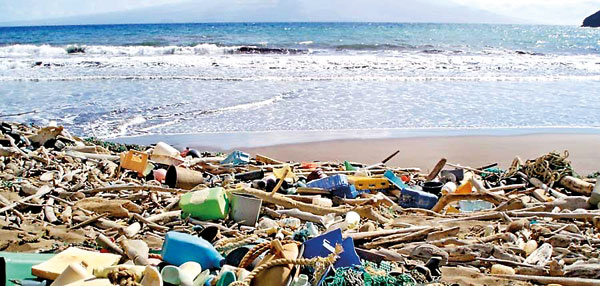
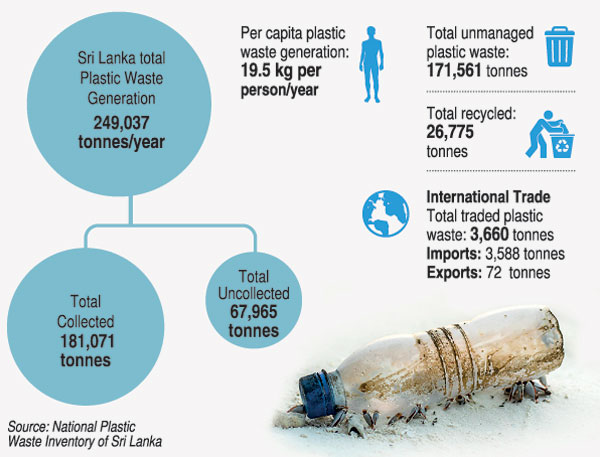
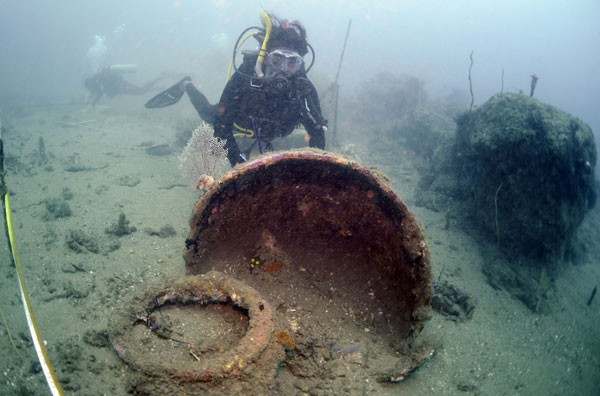
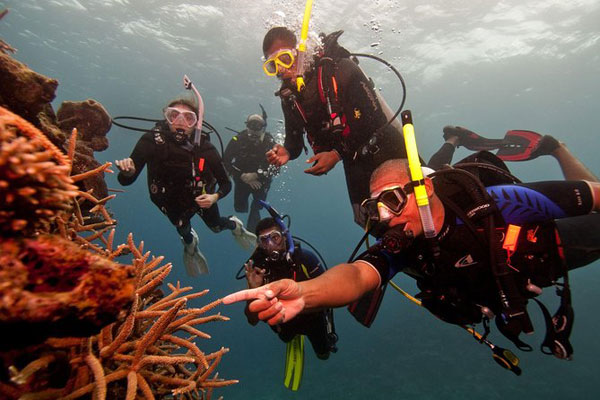
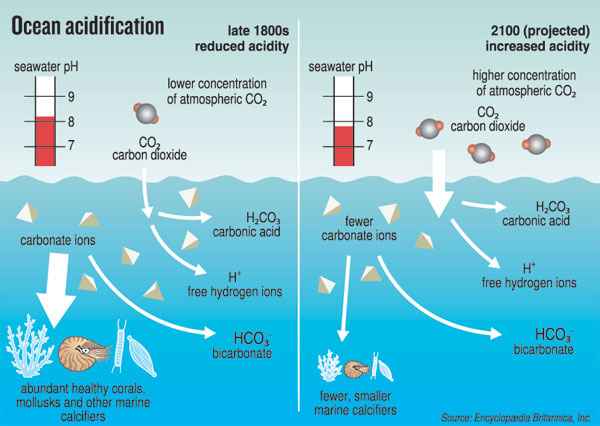
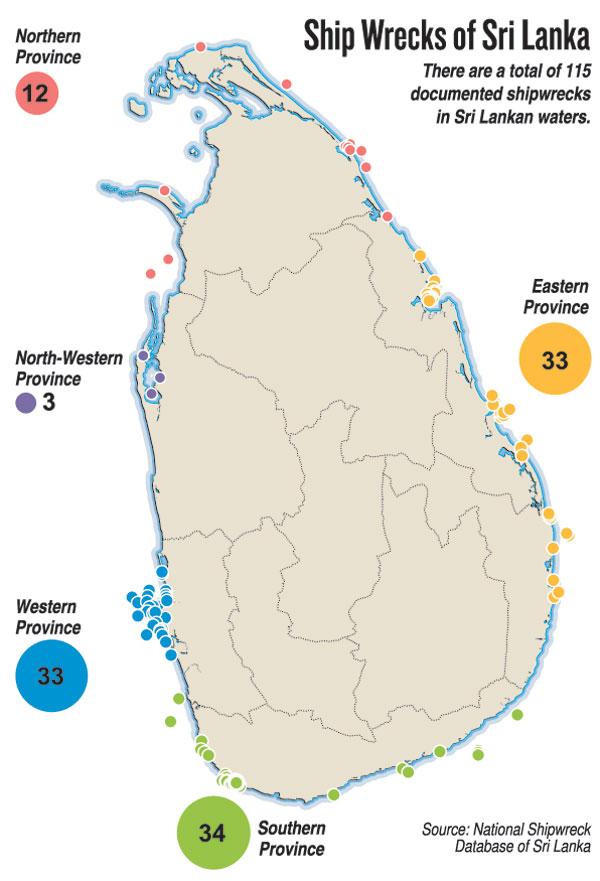


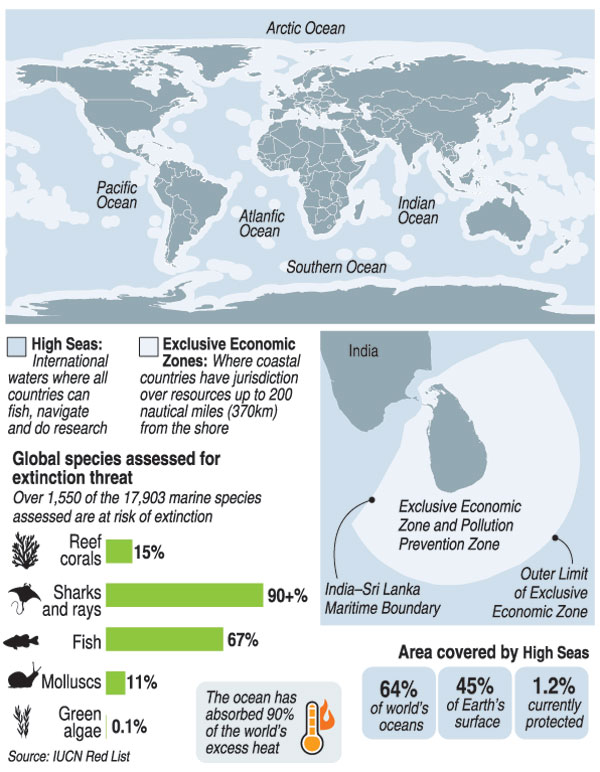


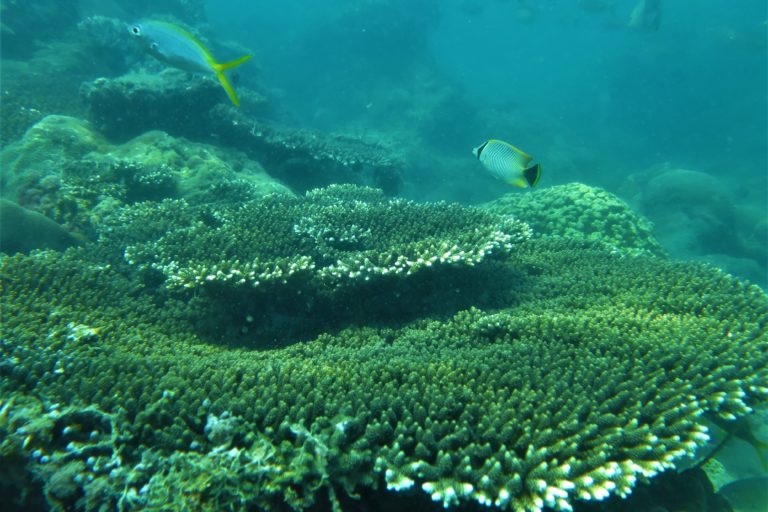


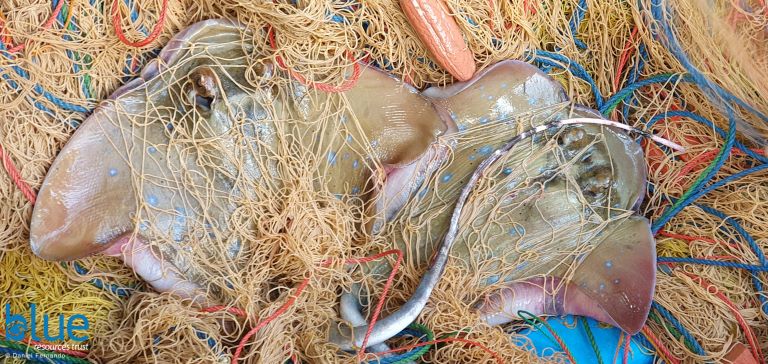


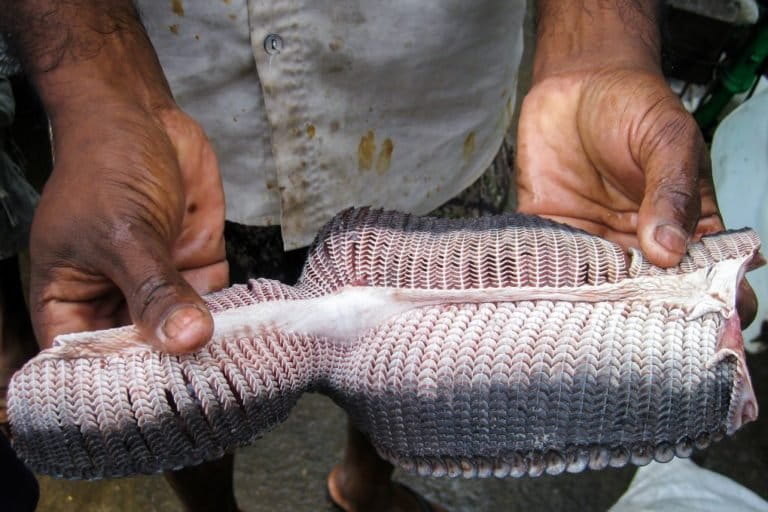


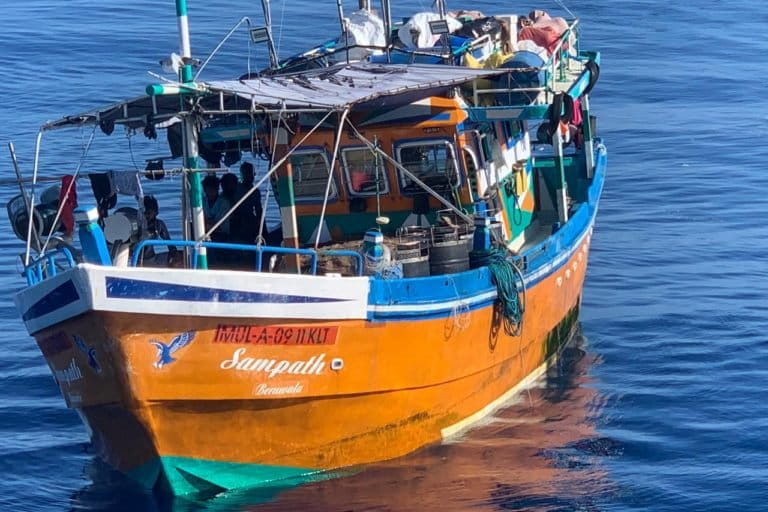


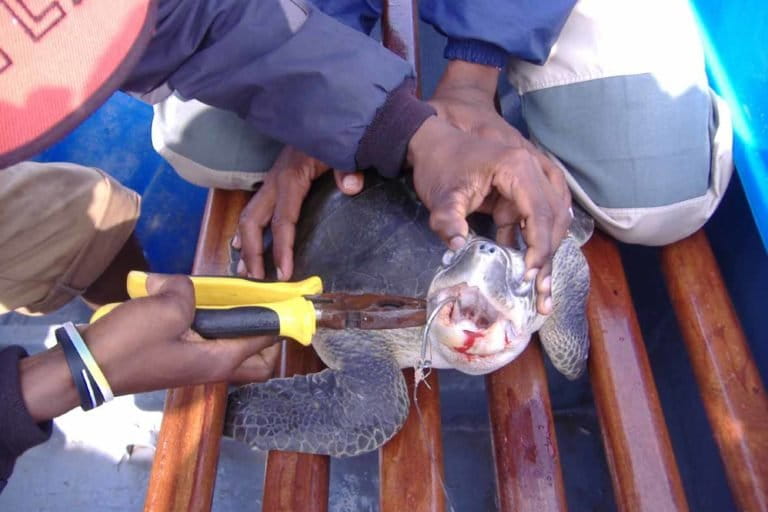
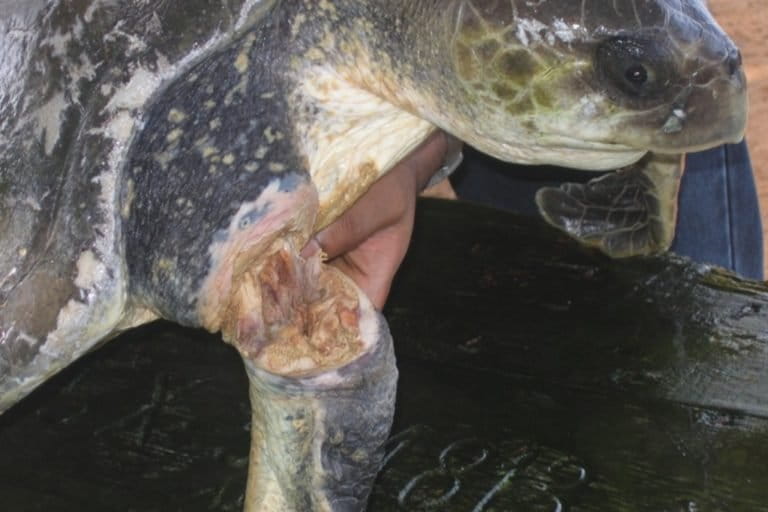
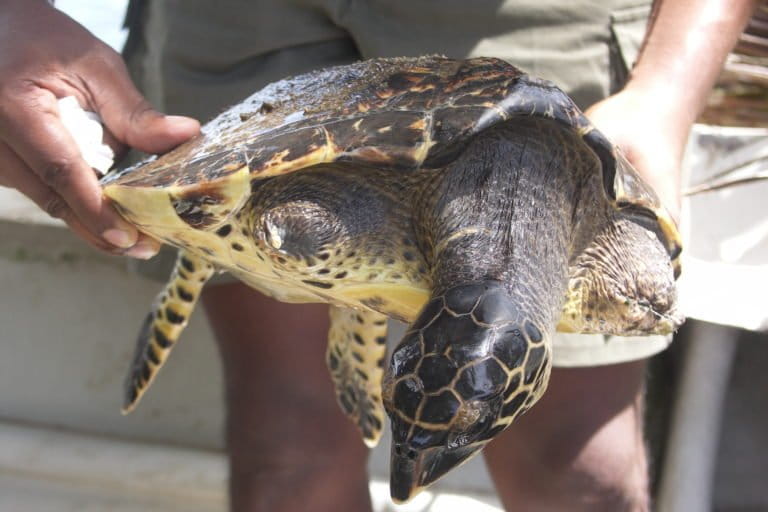


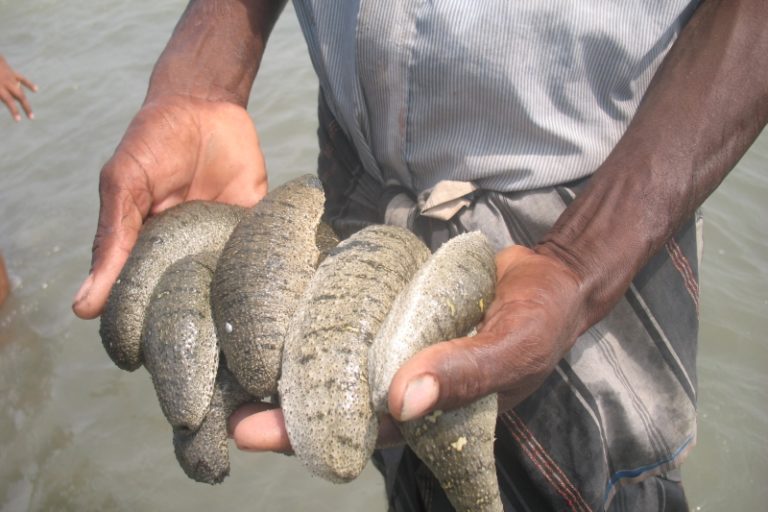

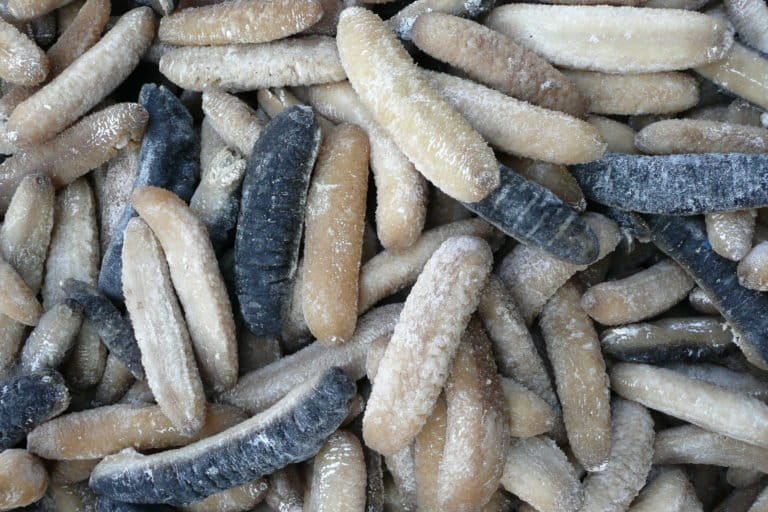

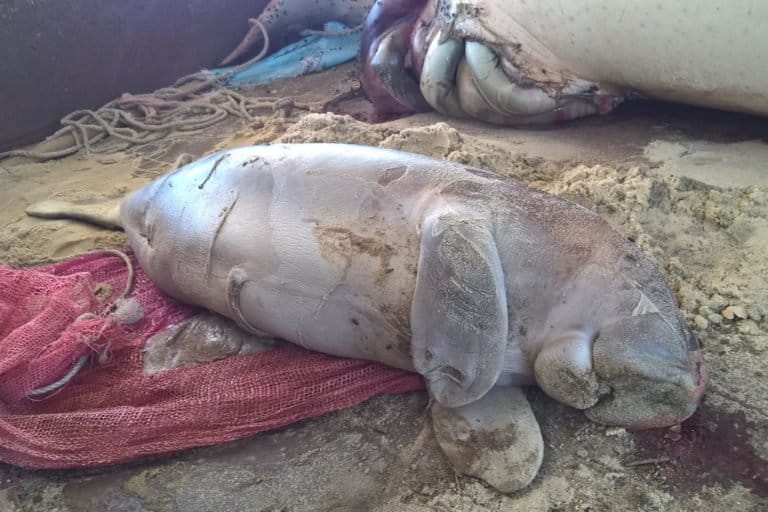
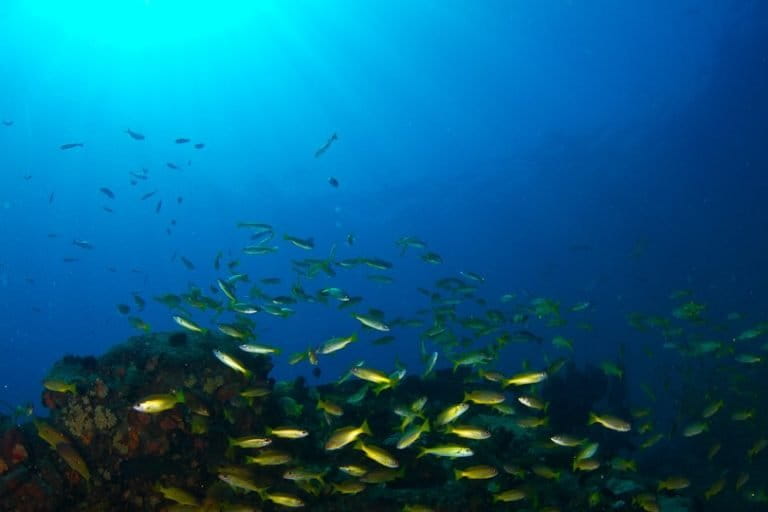


 Window to Nature